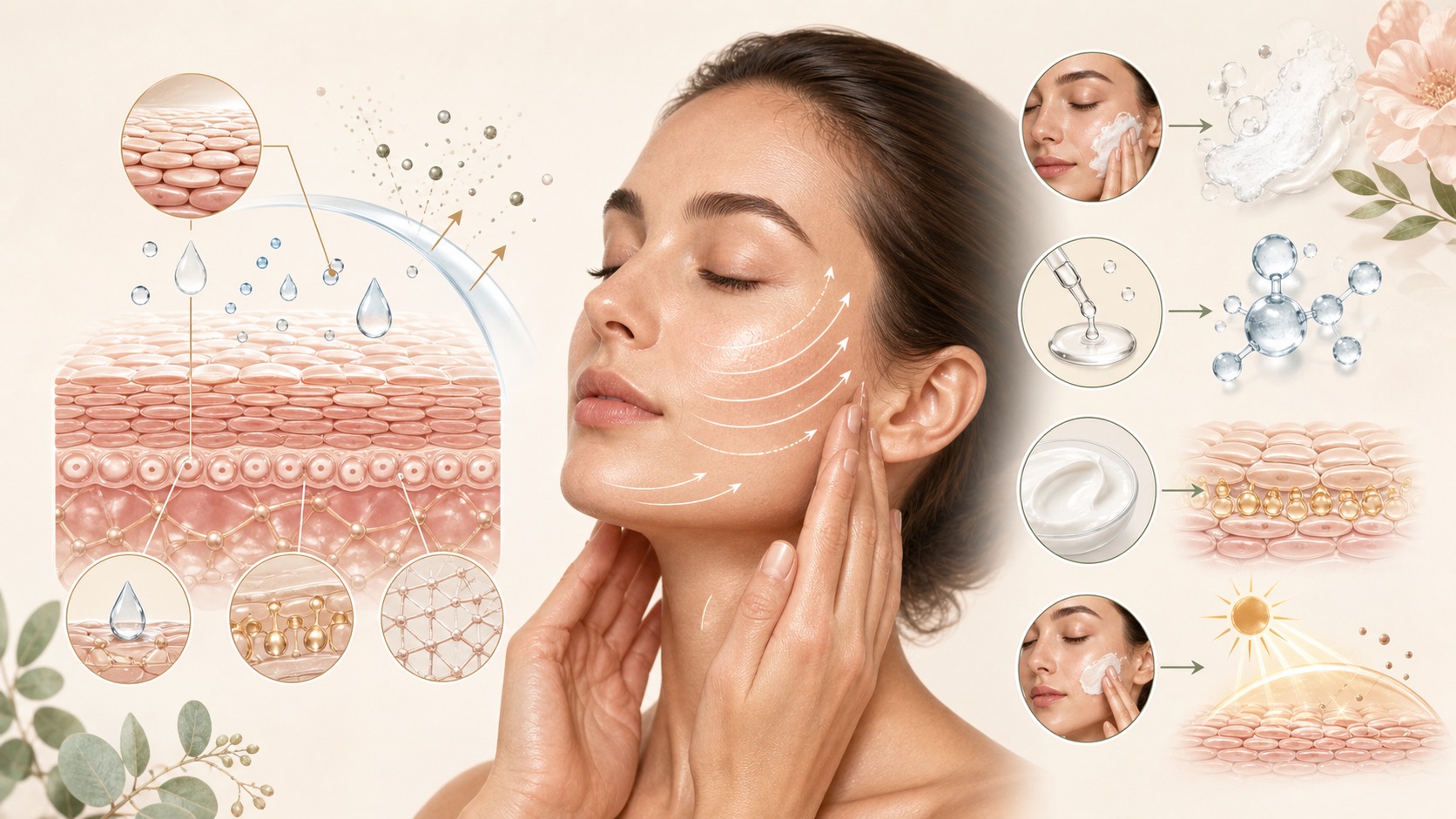
Healthy-looking skin is rarely the result of one dramatic product or one aggressive treatment. In a premium facial setting, the most refined results often come from supporting the skin barrier: the outer protective layer that helps retain water, buffer the skin from everyday stress, and keep the complexion feeling comfortable. When this layer is respected, a facial can leave the skin looking smoother, fresher and more luminous. When it is overworked, even expensive treatments can leave the skin tight, reactive or uneven.
A skin barrier facial is a professional facial treatment planned around comfort, hydration and intelligent restraint. It may include gentle cleansing, careful exfoliation when appropriate, hydrating masks or infusion-style care, calming massage, barrier-supportive moisturizers, and realistic guidance for the days after the appointment. The goal is not to promise a cure for sensitivity, acne, pigmentation or aging. The goal is to create conditions that can support a better-looking surface while helping the client understand what their skin needs next.
At Anywell Facial Bar in Kyiv, this topic matters because many clients arrive with a familiar concern: dullness and fatigue on the surface, but sensitivity underneath. They want glow, yet they have already tried strong acids, retinoids, scrubs, masks and device trends at home. A barrier-first facial gives the specialist a more elegant way to work: assess the skin, reduce unnecessary friction, choose the right level of stimulation, and build a routine that does not compete with itself.
What is a skin barrier facial?
A skin barrier facial is a facial treatment designed around the skin's ability to hold water and stay comfortable. The skin barrier is often discussed in beauty language as if it were a wall, but in practical treatment planning it is better understood as a living surface that changes with weather, cleansing habits, stress, sleep, hormones, shaving, exfoliation, sun exposure and product choice. A good facial observes those signals before choosing the intensity of the treatment.
In a typical glow facial, the temptation is to focus on visible brightness: stronger exfoliation, more active ingredients, more heat, more massage pressure, more masks. A barrier-first approach asks a different question first: what can the skin tolerate today? For some clients, the answer is a gentle cleanse, light enzyme or low-strength acid exfoliation, hydration, and massage. For others, especially when the skin is flushed, stinging or recently overtreated, the best facial may skip exfoliation entirely and concentrate on comfort.
This does not make the treatment less premium. In fact, restraint is often the mark of a more professional facial. A specialist who understands barrier care can decide when to work deeply and when to protect the skin from too much stimulation. That distinction is valuable for sensitive skin, mature skin that feels dry, oily skin that has been stripped by harsh cleansing, and tired skin that looks grey because it is dehydrated rather than truly congested.
Signs your skin barrier may need support
Barrier stress can look different from one person to another. Some clients describe tightness after cleansing, even if they also become oily by midday. Others notice that products that used to feel comfortable now sting. Some see new rough patches, makeup sitting unevenly, redness after showering, or a shiny but dehydrated surface that looks reflective rather than healthy. These signs do not diagnose a medical condition, but they are useful signals for treatment planning.
Common triggers include over-cleansing, frequent exfoliation, combining too many active products, seasonal cold or dry air, intense sun exposure, long flights, stress, poor sleep, or using the wrong texture of moisturizer. Men may experience barrier stress around shaving, especially when using close multi-blade razors, strong aftershaves or cleansing with regular bar soap. Clients who exercise frequently may also have friction, sweat and cleansing habits that require a more careful routine.
Professional assessment matters because the same visible concern can come from different causes. Dullness can be dead-skin buildup, dehydration, lack of sleep, product residue, irritation, or all of these together. Visible pores can be oil flow, congestion, dehydration or skin texture. Fine lines can be part of natural facial movement, but they often look sharper when the surface is dry. A barrier facial starts with this kind of nuance.
How a premium barrier-supportive facial is structured
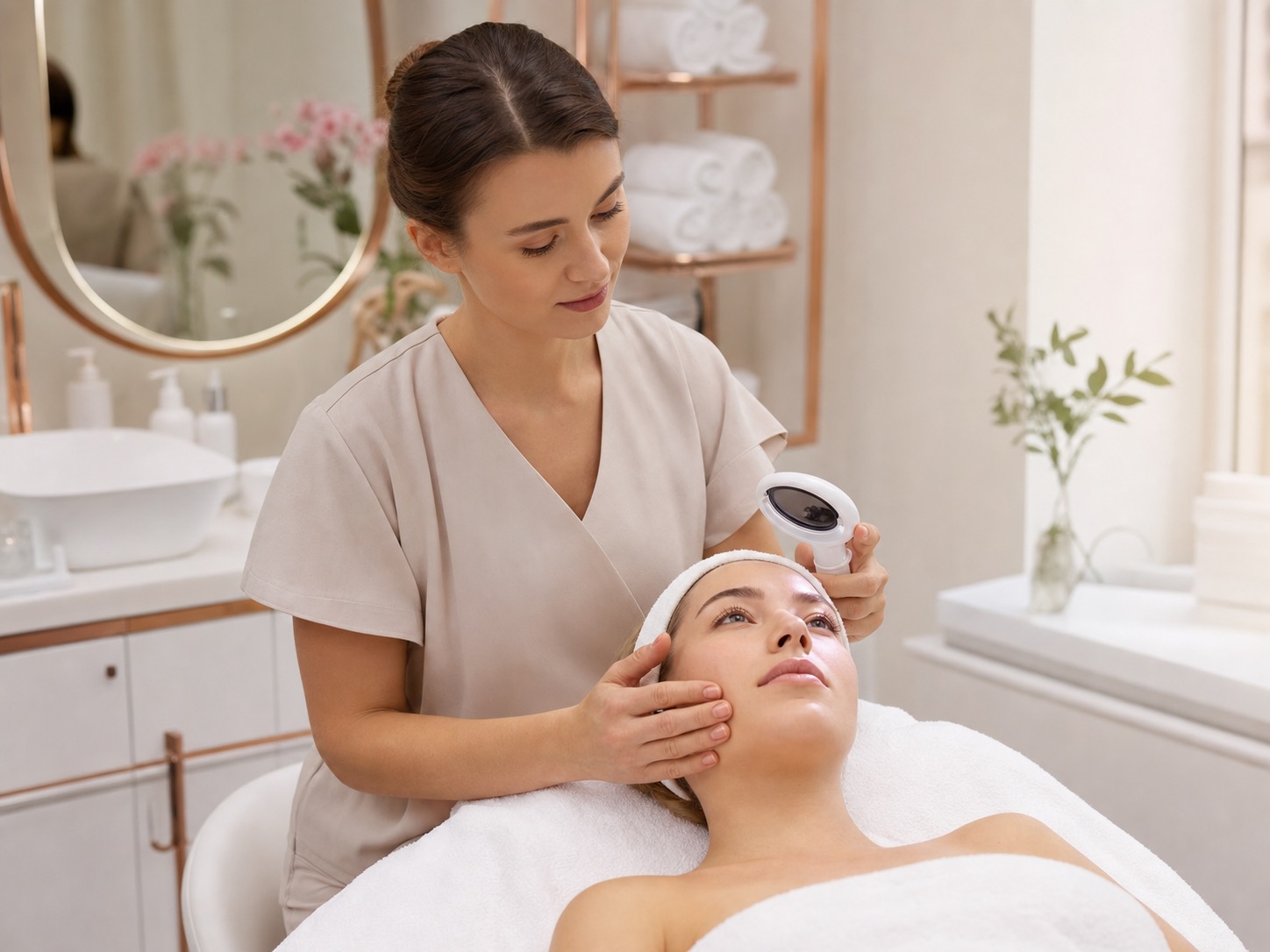
The best version of this facial feels calm, but it is not passive. Each step has a purpose. At Anywell, a specialist may adapt the flow depending on the service selected, such as a cleansing ritual, Dermadrop-style hydration service or face massage. The exact products and techniques should follow the skin's condition on the day.
1. Consultation and skin reading
The appointment should begin with a short conversation about recent skincare, prescription or dermatologist-directed products, allergies, pregnancy or breastfeeding where relevant, recent procedures, sun exposure, shaving, and current sensitivity. This is where a specialist may decide to avoid strong exfoliation, heat, fragrance-heavy products, or massage pressure that could increase redness. It also helps identify when a spa facial is not the right first step and a dermatologist should be consulted instead.
2. Gentle cleansing without stripping
Cleansing should remove sunscreen, makeup, oil and pollution residue without leaving the skin squeaky. The American Academy of Dermatology's public skincare guidance repeatedly emphasizes gentle cleansing, moisturizing and sun protection as foundations of everyday care; their healthier-looking skin tips are a useful reminder that basic habits affect results. In a facial, this means warm rather than hot water, non-abrasive handling, and a cleanser matched to the skin rather than chosen for drama.
3. Exfoliation only when it makes sense
Exfoliation can be beautiful when the skin is ready for it. It can refine texture and allow hydrating steps to sit more elegantly on the surface. But it is also one of the easiest places to overdo a facial. A professional barrier facial may use mild enzyme care, a short-contact acid, a very soft manual polish, or no exfoliation at all. The AAD's guidance on safe exfoliation is worth reading because it frames exfoliation as something to tailor to skin type and current condition, not a universal requirement.
4. Hydration and replenishing textures
Barrier-supportive hydration is not just about adding water. Water evaporates quickly if the surface is not supported by humectants, emollients and occlusive textures where appropriate. In spa language, this can translate into hydrating serums, masks, cream layers, or device-assisted infusion services. For a client who feels tight and dull, the right hydrating facial can often create an immediately fresher look because the surface reflects light more evenly.
5. Calming finish and sunscreen logic
A facial should end with skin that feels comfortable enough to leave the room. The final steps often include moisturizer and daytime sun protection when needed. The AAD's sunscreen education points clients toward broad-spectrum, water-resistant sunscreen with SPF 30 or higher; see its public sunscreen guidance for the broader prevention context. For barrier care, sunscreen is not only an anti-aging habit. It is also part of reducing environmental stress on skin that is trying to stay calm.
Where facial massage and lymphatic drainage fit
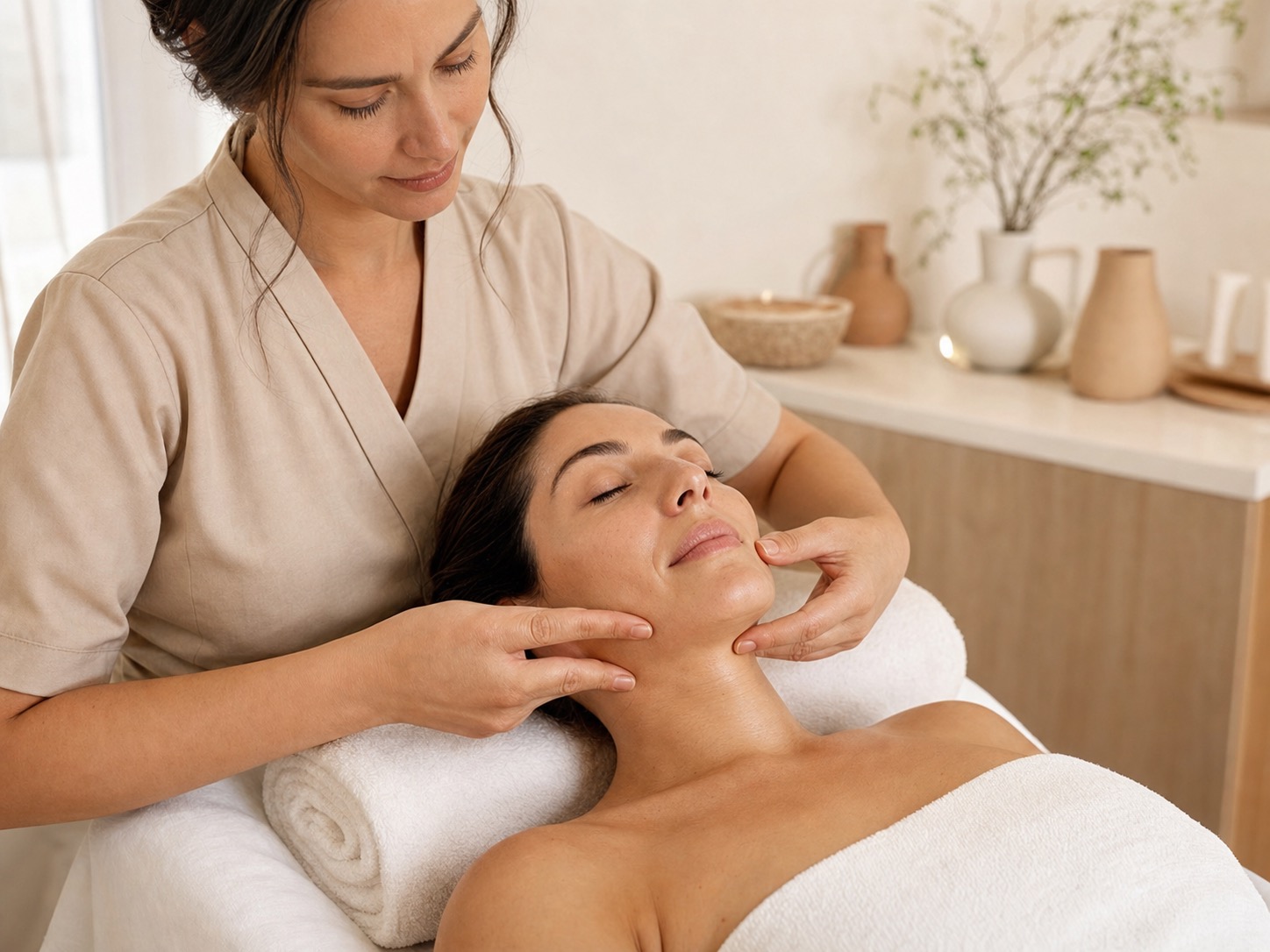
Facial massage can be one of the most elegant parts of a skin barrier facial because it supports the experience without relying on aggressive resurfacing. Light to medium massage may help the face look more rested by reducing the appearance of puffiness, improving slip for hydrating products, and helping the client relax jaw, brow and neck tension. It should not be sold as a permanent lift or a medical lymphatic treatment. It is a professional beauty technique that can support temporary freshness and comfort when performed with appropriate pressure.
For clients interested in facial sculpting trends, there is a useful distinction between a relaxing drainage-style massage, a more active sculpting routine, and workout-inspired facial fitness. The important point is not the trend name. It is whether the pressure, frequency and technique match the client's skin condition, facial tension and comfort on the day of the treatment.
At a high-end spa, the best facial massage is tailored. Sensitive skin may need feather-light pressure and a fragrance-free medium. Mature skin may benefit from slower, supportive strokes that do not pull. Oily or congested skin may need careful product selection so the massage medium does not feel heavy. Men with shaving irritation may need to avoid active friction around the beard area. A premium treatment is not one routine applied to everyone; it is a sequence adapted in real time.
A realistic case study: tired, shiny and sensitive at the same time
Imagine a client who books before an event because the face looks tired, pores look more visible and makeup does not sit well. She cleanses twice daily with a foaming wash, uses a retinoid several nights a week, adds an exfoliating toner when she feels dull, and sometimes uses a clay mask before important meetings. Her skin is shiny by lunchtime but tight after washing. This is a classic situation where a "deep cleansing" mindset can backfire.
In a barrier-supportive appointment, the specialist might choose a gentle cleanse, skip strong steam, use minimal exfoliation, add hydrating layers, work with light massage for facial tension, and finish with moisturizer rather than a matte, drying effect. The client may still look polished after the treatment, but the bigger value is the revised plan: pause the extra exfoliating toner, reduce clay masks, keep the retinoid rhythm conservative, add a better moisturizer, and protect with SPF every morning. The result is not a guaranteed transformation, but it is a smarter path.
A spa team can learn from the best parts of premium facial culture without leaving its own identity. For Anywell, that means calm assessment, comfort, consistency and a menu that makes sense for the skin in front of the specialist. The goal is not to copy another market; it is to make each Kyiv appointment feel considered and precise.
The home routine after a skin barrier facial
The days after the facial are where many results are either protected or lost. A strong home routine does not need to be complex. In fact, the AAD's skin care on a budget article makes a practical point that also applies to premium routines: cleansing, moisturizing and protecting the skin are the basic pillars. Luxury can improve texture, sensory quality and personalization, but it should not replace those fundamentals.
First 24 to 48 hours
Keep the routine calm. Use a gentle cleanser or rinse according to your specialist's advice, apply a supportive moisturizer, and use sunscreen during the day. Avoid scrubs, exfoliating acids, strong retinoids, peels, at-home devices, aggressive massage tools, very hot water, sauna or intense heat unless your specialist has cleared them for your specific treatment. If the skin feels warm, tight or reactive, do not try to "fix" it with more actives. Simplify.
The first week
Reintroduce active ingredients gradually. If you use retinoids, exfoliating acids or brightening serums, ask how many nights to wait after the facial. Many clients benefit from alternating active nights with recovery nights. Recovery nights are not wasted nights. They are when moisturizer, barrier lipids and sleep help the complexion look less stressed. This is especially important for mature skin, sensitive skin and clients who live in cold, dry or polluted environments.
Long-term rhythm
A barrier-first routine can still include ambition: smoother texture, brighter tone, fewer clogged pores and a more luminous finish. The key is sequencing. Cleanse without stripping, treat with one or two well-chosen actives, moisturize according to skin type, and protect every morning. If the skin becomes irritated, step back before adding more. If the same concern keeps returning, consider a professional consultation or dermatologist evaluation rather than escalating products alone.
How to choose the right facial at Anywell
If your main concern is dehydration, tightness or a tired surface, ask about hydrating and glow-focused care. If the skin feels congested but also sensitive, a specialist may suggest a careful cleansing ritual rather than a harsh deep-clean approach. If facial tension, puffiness or a tired expression are more important than texture, face massage may be the best starting point. If you are unsure, begin with a consultation and let the skin reading lead the service choice.
Before booking, be honest about recent treatments and products. Mention retinoids, acids, prescription creams, recent peels, laser, injections, sunburn, active irritation, pregnancy or breastfeeding, and known allergies. This does not make the appointment complicated. It makes it safer and more elegant. A good facial should fit your skin today, not your ideal skin on a menu.
Clients who prefer a stronger glow effect can still work toward it. The difference is that a barrier-conscious plan builds intensity over time instead of forcing it in one appointment. For example, you may begin with calming hydration and massage, then add more texture-focused exfoliation at a later visit if the skin is stable. This sequence often produces a more polished result than chasing instant smoothness with unnecessary irritation.
FAQ: skin barrier facial
Is a skin barrier facial good for sensitive skin?
It can be a good option when the treatment is genuinely adapted to sensitivity. The specialist may use gentle cleansing, calming hydration, minimal exfoliation and lighter massage pressure. If you have an active rash, severe irritation, infection or an undiagnosed skin condition, consult a dermatologist before booking a spa facial.
Will a skin barrier facial repair my barrier immediately?
No facial can guarantee immediate repair. A well-planned facial can support comfort, hydration and a healthier-looking surface, but barrier recovery also depends on home care, product choices, weather, sleep, sun exposure and any underlying skin condition.
Can I exfoliate after a barrier-supportive facial?
Usually it is better to pause exfoliation for at least a few days, and sometimes longer if your skin is reactive or the facial already included exfoliation. Ask your specialist when to restart acids, scrubs or retinoids.
Is facial massage safe for a stressed skin barrier?
Gentle massage can be suitable for many clients, but pressure, product texture and skin condition matter. Very reactive skin may need minimal manipulation. The goal is comfort and a rested look, not aggressive sculpting.
How often should I book a skin barrier facial?
Many clients choose every four to six weeks, but frequency should depend on sensitivity, goals, budget and the type of facial. Some people benefit from a shorter hydration or massage service between deeper treatments.
Conclusion: glow should feel comfortable
The most sophisticated facial result is not the most aggressive one. It is skin that looks fresh, hydrated and polished while still feeling comfortable. A skin barrier facial respects the surface that makes glow possible. It uses cleansing, exfoliation, massage, hydration and home care with judgment, not excess.
If your skin feels tired, tight, shiny, sensitive or simply difficult to read, the next step is not always a stronger product. It may be a better assessment. Explore the Anywell Facial Bar service menu or contact the Kyiv studio to choose a facial treatment that supports your skin condition with professional care and realistic expectations.