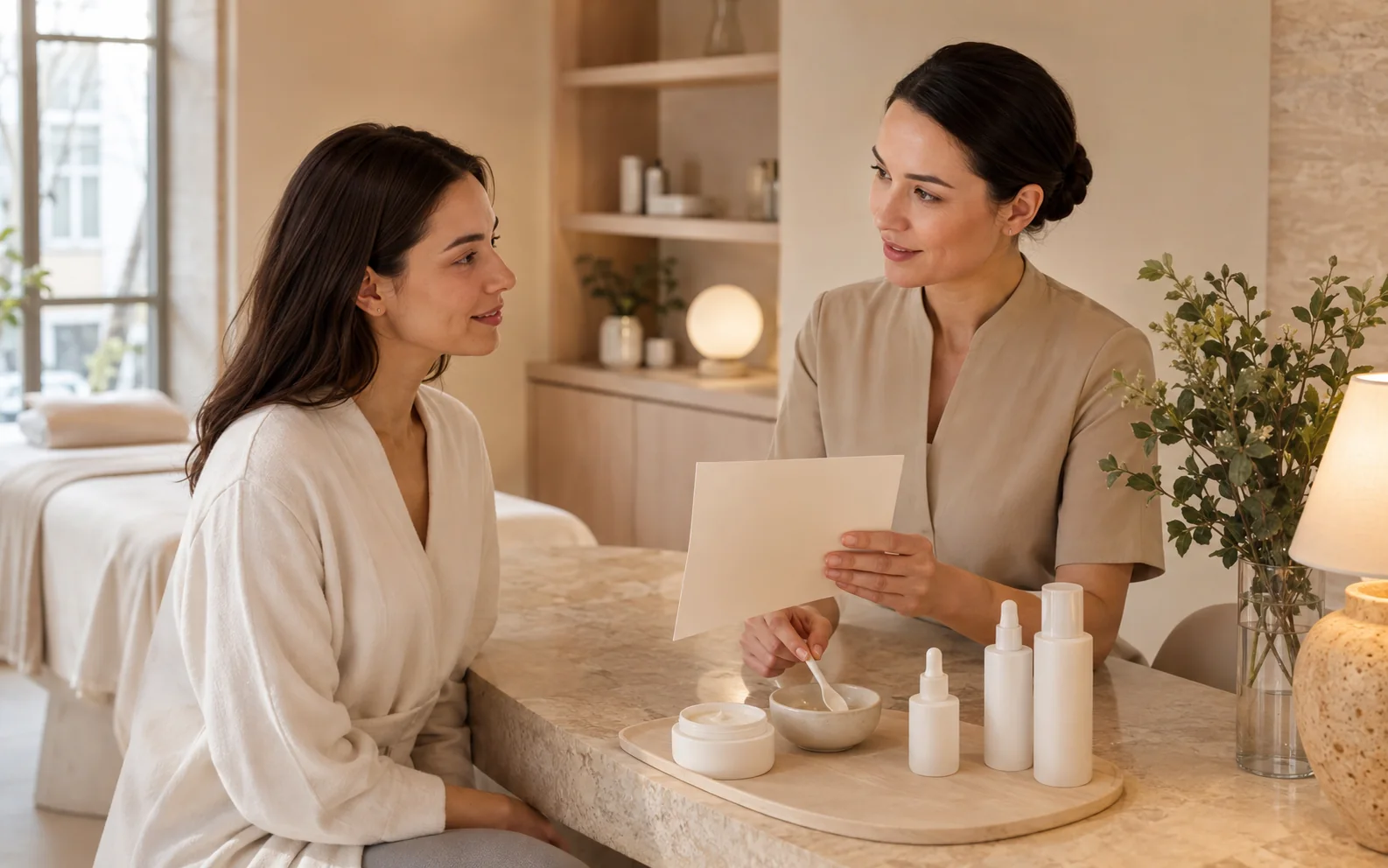
A fragrance-free facial sounds simple: remove scent and make the treatment gentler. In practice, it asks for a more thoughtful consultation. Sensitive skin is often affected by several pressures at once: cleansing habits, retinoids, acids, shaving, climate, sunscreen, stress, makeup, previous product reactions and the client's tolerance for scent. Fragrance may be one part of that picture, not the whole diagnosis. At Anywell, the useful question is not whether fragrance is good or bad in general. The better question is what the skin can comfortably receive today, what should be avoided in the treatment room, and how the client can keep the routine quiet afterward. This guide is general skincare education, not medical advice, allergy testing or dermatology treatment.
What a fragrance-free facial really means
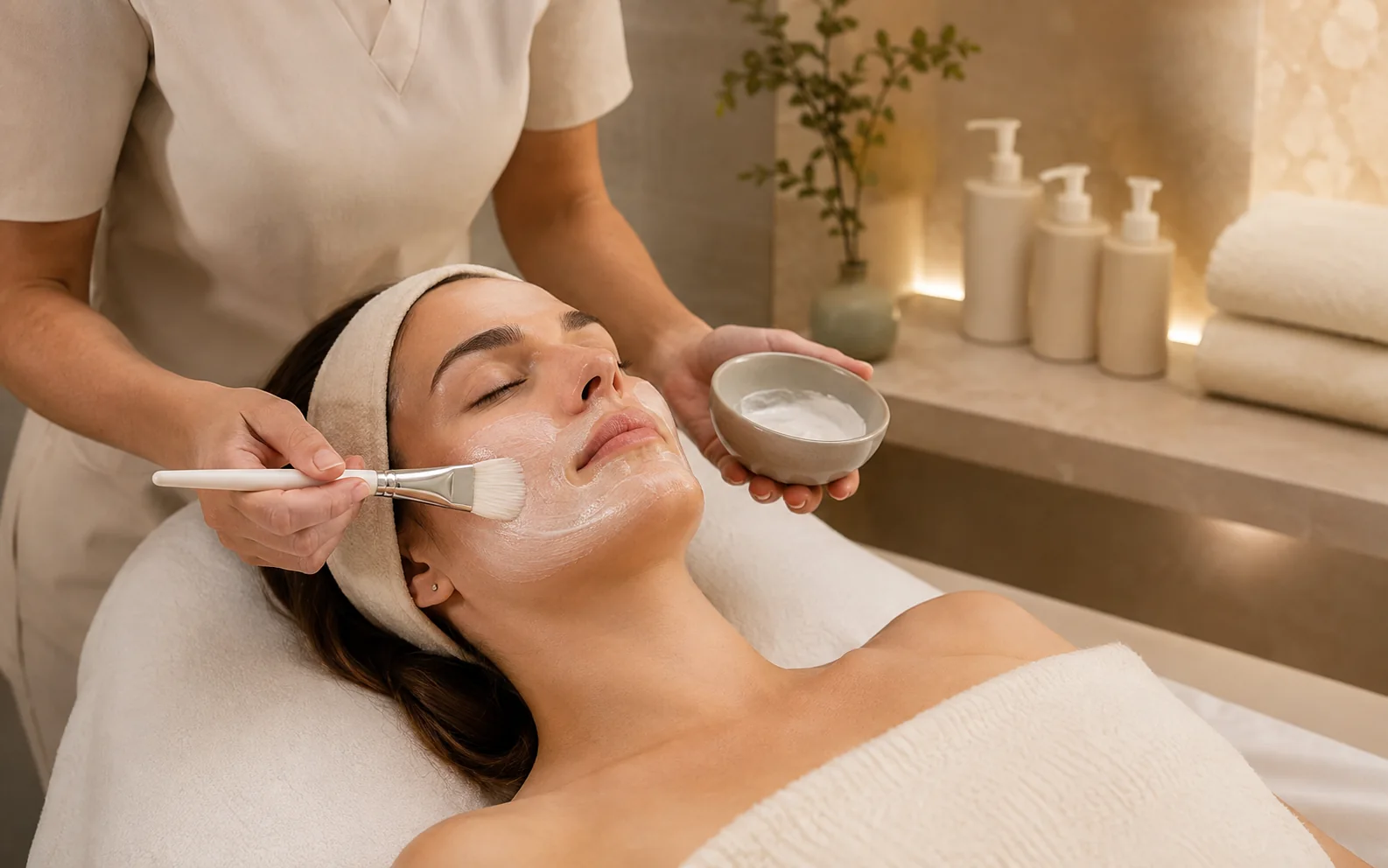
A fragrance-free facial is a professional cosmetic treatment planned with scent exposure in mind. It does not mean the service is empty, clinical or less luxurious. It means the specialist chooses cleansers, masks, massage mediums and finishing products for comfort first, and avoids added perfume, strongly scented botanical blends or aromatic ritual steps that may distract from the skin's tolerance.
The luxury is in restraint. A client with sensitive cheeks, stinging after cleansing or a history of reacting to scented creams often does not need a dramatic active step. She needs a calm plan: low-friction cleanse, simple hydration, careful touch, fewer layers and aftercare that does not restart irritation at home.
Why fragrance matters for sensitive skin
Fragrance is not one ingredient. It can be a mixture of aromatic materials used to create a scent or mask an odor. FDA consumer guidance notes that some fragrance components may cause allergic reactions or sensitivities for some people. European Commission SCCS work on fragrance allergens shows why this category receives regulatory attention, especially when a substance can act as a skin sensitizer.
This does not mean every pleasant-smelling product is unsafe for every client. It means a premium facial bar should not treat scent as decoration only. If a client reports burning, itching, flushing or repeated product reactions, fragrance history belongs in the consultation beside retinoids, exfoliation, sun exposure, pregnancy, recent procedures and known skin conditions.
Fragrance-free is different from unscented
Clients often arrive with labels in their mind: natural, clean, hypoallergenic, unscented, fragrance-free, essential oil, dermatologist-tested. These words are not identical treatment instructions. Unscented can still mean a formula has odor-masking materials. Natural aromatic oils can still be irritating for some skin. Hypoallergenic language also needs careful interpretation rather than blind trust.
In a treatment room, the practical method is to ask what the client has used and how the skin responded. Did a cream sting? Did a cleanser leave tight shine? Did an essential-oil mask feel hot? Did a laundry product or perfume seem to trigger the face? This history is more useful than asking the client to remember an ingredient list perfectly.
The consultation should screen for scent exposure
Anywell-style fragrance screening can stay elegant and practical. Ask about recent product changes, scented moisturizers, perfume applied near the neck, fragranced sunscreen, makeup remover, hair products touching the face, shaving products, detergents on pillowcases and previous patch-test or allergy history if the client knows it. The point is not to interrogate. It is to reduce avoidable noise.
The specialist should also ask about current discomfort: burning, itching, tightness, heat, swelling, rash, peeling, open areas or tenderness. If symptoms are strong, persistent or worsening, the safest beauty choice may be to postpone active treatment and recommend qualified medical assessment. A facial should not compete with a dermatologist when the skin is signaling a possible condition.
Cleanse gently before trying to create glow
AAD face-washing guidance supports gentle cleansing habits: avoid harsh scrubbing, use lukewarm water and treat the face carefully. In a fragrance-free facial, this becomes a low-friction first step. The specialist removes sunscreen, makeup and city residue patiently, without turning cleansing into a polishing performance.
The skin should not feel squeaky, hot or punished after cleanse. For a client who wears heavy sunscreen, double cleansing may be useful, but the second cleanse still needs to respect the barrier. For a client who arrives bare-faced and stinging, the correct plan may be shorter, softer and less layered.
Barrier comfort changes the product sequence
Sensitive-skin facials often go wrong when every step is added because it sounds soothing. Toner, mist, serum, mask, massage cream, finishing balm and sunscreen can be beautiful when tolerated, but reactive days may need fewer exposures. A fragrance-free plan should ask whether each layer earns its place.
Barrier comfort is not a single product claim. It is how the whole protocol behaves: cleanser texture, towel pressure, water temperature, mask duration, massage slip, touch intensity and aftercare. The result goal is a calmer-looking finish, softer feel and more even makeup base, not a promise to fix sensitivity permanently.
Massage should be calming, not performative
Facial massage can support relaxation and a fresher temporary appearance when the skin is stable. In a fragrance-free sensitive-skin facial, the massage medium matters as much as the technique. A strongly scented oil may undermine the purpose of the appointment, while too much pressure can make a reactive face look flushed.
The specialist can shorten massage, use lighter pressure and focus on areas that tolerate touch. Jaw tension, screen fatigue and puffiness can be addressed with calm hands rather than force. Gua sha, sculpting tools and energetic face workout techniques should wait if the skin is hot, broken, sore or actively irritated.
How to choose the right Anywell service
A fragrance-free plan can fit several service goals, but the first appointment should usually be diagnostic and conservative. If the client wants hydration, the specialist can choose a simple moisture-focused facial with fewer aromatic extras. If the client wants lifting language, the massage should be light and temporary in its promise. If the client wants brightness, exfoliation needs careful timing.
The useful booking question is not what sounds strongest. It is what the skin can receive without becoming more reactive by evening. A calm consultation can decide whether to choose a sensitive-skin facial, skin barrier recovery, a gentle glow appointment, or only advice and a later return. Premium service means the menu bends to the skin, not the reverse.
Essential oils still count as scent exposure
Some clients feel safer when a product smells botanical rather than perfumed. That reaction is understandable, but a treatment plan should still treat aromatic essential oils as scent exposure. A lavender, citrus, eucalyptus or rose aroma can be part of a beautiful wellness ritual for some people, yet it may be wrong for a client who reacts easily or is trying to identify triggers.
This is why Anywell can keep the room sensorial without making the face carry the scent. The linens can be clean, the lighting warm and the touch refined, while facial products remain low-aroma and unbranded. The client still receives a premium experience, but the skincare variables are easier to understand.
Case study: the client who reacts to luxury scent
A client books because her skin looks dull before a work event. She loves premium skincare but often leaves scented masks feeling warm and itchy. She does not have a diagnosis and does not know which ingredient caused the reaction. A generic glow facial might add aroma, exfoliation and a rich mask because it feels indulgent.
A better Anywell plan is quieter: fragrance-free cleanse, short consultation, no strong exfoliation, comfort mask, light massage if tolerated and a simple finish. The specialist explains that the aim is polished comfort before the event, not a dramatic transformation. The client gets a clearer path and less uncertainty.
Case study: the unscented routine that still stings
Another client says every product is unscented, yet his cheeks sting after shaving and cleansing. The issue may not be fragrance alone. It could involve cleanser strength, razor friction, hot water, aftershave, acids, sunscreen removal or a skin condition that needs professional care. The facial should not jump to one cause.
The service can still help by reducing variables. Use gentle cleanse, avoid aromatic products, keep massage light, skip aggressive extraction and send the client home with a short observation plan. If stinging, rash or swelling continues, the next step is not a stronger facial. It is medical evaluation or patch-test discussion with a qualified clinician.
Aftercare should be boring in the best way
After a fragrance-free facial, the home routine should stay simple for at least the next day or two unless the specialist gives different advice. Use a gentle cleanser, moisturize according to comfort, apply daytime sun protection and avoid adding a new scented product just because the skin feels good. Calm skin can be easy to disturb.
Also avoid unnecessary scrubs, strong acids, retinoid escalation, hot water, sauna, heavy fragrance near the face and picking. The client should watch zones: cheeks, chin, around the nose, neck and shaving areas. If one area becomes reactive, that observation helps the next consultation become more precise.
How to read the result the next morning
The best result from this kind of facial may be subtle. The skin may feel less tight, look more even, hold makeup more smoothly, or simply feel less confused. Those are valuable outcomes for sensitive clients. A dramatic peel-like shine would not be the right benchmark if the appointment was designed to reduce triggers.
The next morning, note where the skin feels calm and where it still reacts. Was there warmth around the cheeks, dryness near the mouth, stinging after cleanser, or comfort all day? These observations help the next visit become more exact. Sensitive-skin planning improves when the client and specialist treat response as useful data.
What this facial cannot do
A fragrance-free facial cannot diagnose fragrance allergy, cure eczema, treat dermatitis, eliminate sensitivity, replace patch testing or guarantee that the skin will never react. It also cannot make every natural ingredient automatically safer. These limits matter because clients with sensitive skin are often tired of vague promises.
The honest value is still strong. The facial can reduce avoidable scent exposure during the appointment, support a cleaner and calmer visible finish, clarify routine choices and help the client understand which stronger services should wait. Responsible language protects both the skin and the relationship.
Useful source boundaries
This guide uses current and high-authority references: European Commission SCCS fragrance-allergen safety work, FDA fragrance and cosmetic-claims guidance, AAD face-washing advice, DermNet sensitive-skin education and a PubMed Central review on sensitive skin. They support caution, not fear.
The article does not copy clinical protocols into a spa setting. It translates source-backed boundaries into service decisions: ask better questions, use fewer triggers, cleanse gently, avoid misleading promises and pause when symptoms suggest the client needs medical assessment instead of a beauty treatment.
Conclusion: the Anywell way
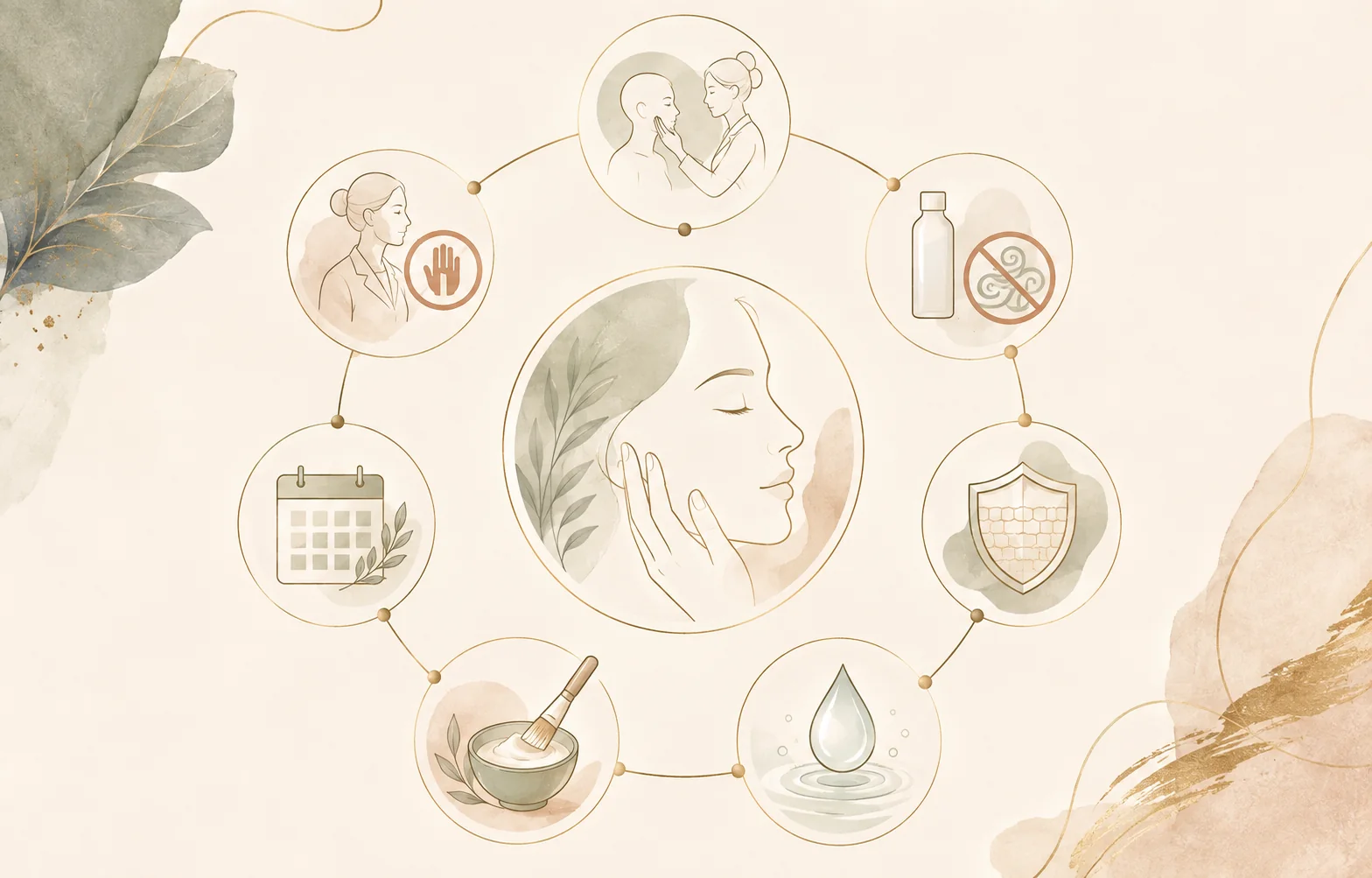
A fragrance-free facial is not a trend label. It is a careful way to plan professional skincare when a client wants glow but the skin asks for fewer variables. At Anywell, that means consultation before intensity, gentle cleansing before polishing, barrier comfort before novelty, and aftercare that keeps the result calm. If your skin often stings, flushes or reacts to scented products, explore Anywell services or book a consultation so the treatment can match your real skin condition rather than a generic spa ritual.
FAQ
Is a fragrance-free facial better for all sensitive skin?
It can be a wise conservative choice for many sensitive clients, especially when scented products have caused discomfort before. It is not a diagnosis or a guarantee; the full treatment plan should consider cleansing habits, actives, shaving, sun exposure, skin condition and current comfort.
Is unscented the same as fragrance-free?
Not always. Unscented can mean a product has little noticeable smell or uses masking ingredients. Fragrance-free is usually the clearer service-planning cue, but the best consultation still asks about real reactions and product history.
Can I have facial massage during a fragrance-free facial?
Often yes, if the skin is comfortable and stable. Pressure, duration and product choice should be gentle. Massage should be reduced or skipped if the skin is hot, sore, broken, swollen, actively irritated or recently reacted.
What should I avoid after a fragrance-free facial?
Keep aftercare simple for the next day or two: avoid new scented products, strong exfoliants, retinoid escalation, hot water, sauna, heavy perfume near the face and picking unless your specialist gives different advice.
When should I postpone the appointment?
Postpone and seek qualified advice if you have persistent burning, swelling, rash, open skin, suspected allergy, infection signs or a reaction that is getting worse. A beauty facial should support stable skin, not treat an active medical concern.