
After a bright holiday, rooftop lunch, long city walk or beach weekend, skin can feel tight, shiny, warm, dull and overloaded with sunscreen at the same time. An after-sun facial treatment should not promise to reverse sun damage or treat burns. Its best role is more refined: careful sunscreen removal, cooling hydration, barrier comfort, low-friction touch, realistic glow and guidance on when to pause. This Anywell guide is general skincare education, not medical advice. Painful sunburn, blistering, swelling, fever, infection signs, suspicious spots or persistent inflammation should be assessed by a qualified healthcare professional.
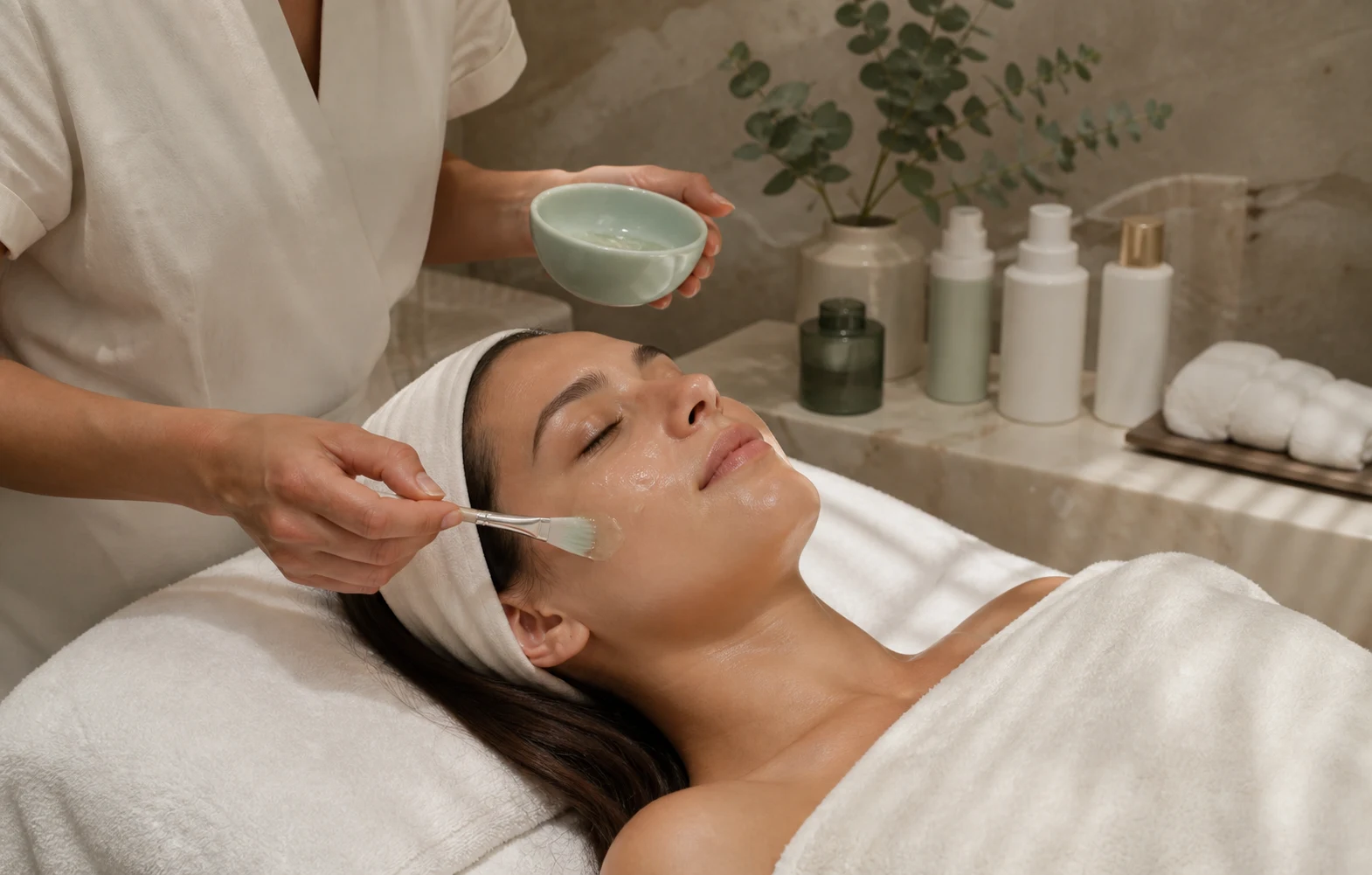
What an after-sun facial treatment really means
After-sun facial treatment is not one universal service. For one client it means removing layers of sunscreen and city residue after a hot day. For another it means calming tight cheeks after travel. For someone else it means postponing a stronger facial because the skin is red, tender or overexposed. The useful question is not which trendy treatment sounds cooling. It is what the skin can safely receive today.
At Anywell, the premium version starts with restraint. The specialist reads heat, redness, dehydration, sunscreen texture, recent exfoliation, retinoid use, barrier comfort and client goals before choosing touch. A good after-sun plan may be very simple: gentle cleanse, hydrating mask, minimal massage and practical home care. Sophistication often means doing less with more precision.
Sun exposure, sunscreen and realistic beauty claims
FDA sunscreen guidance frames sunscreen as a tool to help protect skin from the sun when used as directed, and it discusses broad-spectrum protection, SPF and reapplication habits. The American Academy of Dermatology also emphasizes broad-spectrum SPF 30 or higher for public sun-protection advice. For a facial bar, that evidence has a practical message: sunscreen is not optional background. It shapes both prevention and aftercare.
DermNet describes ultraviolet exposure as one contributor to visible skin ageing, including photoageing. That does not mean a single facial can undo UV exposure. A responsible Journal article should say that an after-sun facial may support hydration, comfort and a more refreshed visible finish. It should not claim DNA repair, permanent anti-aging correction, burn treatment, pigmentation cure or medical prevention.
When the facial should be postponed
A cosmetic facial is not appropriate for significant acute sunburn. If the skin is very painful, swollen, blistered, broken, hot to the touch, feverish or worsening, the right step is not a soothing mask in a beauty room. Cleveland Clinic and clinical references describe sunburn as an inflammatory response to ultraviolet exposure, and severe symptoms deserve medical judgment.
The facial should also be reconsidered after recent peels, waxing, laser, strong retinoid escalation, aggressive exfoliation, injectables, surgery, new allergies or unexplained rash. Pregnancy, photosensitizing medications and known skin conditions should be disclosed before treatment. None of this makes the client difficult. It gives the specialist the information needed to protect the skin and the relationship.
Why barrier comfort comes before brightness
After sun and heat, many clients ask for instant brightness because the face looks tired. The temptation is to exfoliate, polish and add actives. But warmth, stinging, tightness and shiny dehydration are signs that the skin may need fewer challenges, not more. If the face feels reactive, brightness should wait until comfort returns.
Barrier-aware care is not passive. It chooses cleanser texture, towel pressure, massage duration, mask formula, hydration level and finishing product with intention. The result may be a calmer-looking glow, softer feel and better makeup sit. It is a cosmetic improvement, not a medical repair. That distinction is part of the Anywell tone: elegant, useful and honest.
The consultation: ask about the sun before touching the skin
A serious after-sun consultation begins with exposure history. How long was the client outside? Was sunscreen reapplied? Was there swimming, sweating, a hat, makeup, alcohol, flight dehydration or high heat? Did the skin burn, sting, peel or feel normal? Was any retinoid, acid, scrub or acne treatment used before or after sun exposure?
The answers decide the service. A client with no burn but heavy sunscreen residue may benefit from a gentle cleansing and hydration facial. A client with tenderness needs a conservative calming plan or a postponement. A client preparing for an event may need a makeup-friendly finish but no strong actives. The consultation prevents the treatment from becoming guesswork.
Gentle sunscreen removal without stripping
Sunscreen is protective by day, but residue needs thoughtful removal by night. AAD face-washing guidance favors gentle cleansing, lukewarm water, fingertips rather than harsh scrubbing and careful drying. In the treatment room, that translates into adequate slip, soft removal cloths, no abrasive tools and attention to sensitive areas around the nose, cheeks and hairline.
Double cleansing can be useful after water-resistant sunscreen or makeup, but the second cleanse should not leave the skin squeaky. Tightness after cleansing is not proof of cleanliness. It is often a sign that the face has lost too much comfort. The goal is skin that feels clean, flexible and ready for hydration.
How the treatment should change after heat exposure
Heat can make a facial feel different even when the skin is not sunburned. The client may arrive flushed, puffy, oily through the center and dry through the cheeks. A premium after-sun service should avoid adding unnecessary heat. Long steam, hot towels, vigorous friction and strong active layering may be too much for a face that already spent the day managing temperature changes.
Cooling does not have to mean icy shock. It can mean room-temperature comfort, hydrating gel textures, a soft mask, slower touch, shorter massage and a calm environment. Lymphatic-style touch may feel pleasant for puffiness, but pressure should stay light and responsive. If warmth or redness increases, the treatment should step back.
Hydration, masks and massage: what is worth doing
Hydration is the most intuitive after-sun theme, but the best results come from texture matching. A gel mask can feel cooling, a cream mask can comfort tight cheeks, and a lightweight moisturizer may suit a shiny T-zone. More layers are not automatically better. On reactive days, a simple formula that the skin tolerates well is more luxurious than a crowded routine.
Massage can support a relaxed, fresher visible appearance when the skin is stable. It should be shortened or skipped if the face is hot, sore, swollen, broken or actively peeling. Gua sha, sculpting pressure and face-workout intensity are not ideal immediately after heavy sun exposure. Save stronger sculpting sessions for skin that is calm, hydrated and not tender.
Choosing between glow, calming and diagnostic facials
A glow facial is appealing after vacation because the face can look dull from sunscreen buildup, travel dehydration and sleep changes. But if the glow service relies on exfoliation or active resurfacing, it may be the wrong choice too soon after UV exposure. A calming hydration facial may produce a softer-looking glow precisely because it reduces friction and supports comfort.
For uncertain skin, diagnostics should come first. An Anywell consultation can separate residue, dehydration, pigmentation concern, rough texture, irritation and active inflammation. The right service may be a gentle after-sun facial today, then a more active texture or brightening plan later. Sequencing is where premium facial care becomes more intelligent.
Case study: the post-holiday client
A client returns from a weekend by the water. She used sunscreen, but forgot reapplication during one long afternoon. Her skin is not blistered, yet cheeks feel tight and warm. She wants a brightening facial before going back to work. The unsafe answer would be to exfoliate aggressively because dullness is visible.
A better Anywell plan would screen for pain and broken skin, then choose a low-friction cleanse, hydration, a calming mask and a conservative finish. Brightening actives and sculpting tools can wait. The home plan would emphasize gentle cleansing, moisturizer, daytime protection and avoiding scrubs or strong acids for several days unless a professional has advised otherwise.
Case study: sunscreen congestion without sunburn
Another client wears high-SPF sunscreen daily for outdoor commuting and exercise. There is no sunburn, but the forehead and nose feel congested by evening. He responds by using a strong foaming cleanser and a scrub, then wonders why the cheeks sting. This is a classic case where residue removal and barrier comfort need to be planned together.
The facial can focus on careful cleansing, light hydration and education about evening removal. Selective extraction may be considered only if the skin is calm and suitable. The client does not need a harsher identity as oily or dirty. He needs a routine that respects sunscreen as necessary protection while removing it without over-cleansing.
Aftercare for the next forty-eight hours
After an after-sun facial, keep the routine deliberately quiet. Use a gentle cleanser, moisturize according to comfort, apply sunscreen during the day and avoid unnecessary exfoliation, retinoid escalation, strong acids, hot water, sauna, intense heat and picking. If the skin feels sore, hot or unusually reactive, stop active products and seek professional advice.
Sunscreen remains part of aftercare, not a product to abandon because the skin feels sensitive. FDA and AAD guidance both support sun-protective habits, including appropriate sunscreen use and reapplication. The practical Anywell version is simple: protect by day, cleanse gently at night, hydrate enough, and delay stronger treatments until the skin feels calm.
What an after-sun facial cannot do
An after-sun facial cannot erase sun damage, eliminate pigmentation, treat burns, diagnose suspicious moles, replace sunscreen, remove the need for dermatology care or guarantee anti-aging results. It also cannot make unsafe sun exposure harmless. These limits should be spoken clearly because clients often book after visible discomfort and want a fast fix.
The honest value is still meaningful. A careful facial can help the skin feel cleaner after sunscreen, support hydration, reduce avoidable routine irritation, guide safer timing and help the complexion look more rested. For many clients, that is exactly the kind of premium result that matters: comfortable, subtle, polished and sustainable.

Conclusion: the Anywell way
The best after-sun facial treatment is not the most dramatic one. It is the one that respects what the skin has just experienced: UV exposure, heat, sunscreen, sweat, travel, makeup, dryness or sensitivity. Anywell can help you choose between calming hydration, gentle cleansing, diagnostics and later glow planning with conservative, skin-aware guidance. If your skin is comfortable enough for cosmetic care, explore the Anywell services or book a consultation so the treatment can match your real skin condition rather than a generic summer trend.
FAQ
Can I book an after-sun facial if I have sunburn?
If the skin is painful, swollen, blistered, broken, feverish or worsening, postpone the facial and seek appropriate medical advice. A beauty facial can support comfortable post-sun skin when it is stable, but it should not treat acute sunburn.
How soon after sun exposure should I get a facial?
Timing depends on how the skin feels. If there is no burn and the skin is calm, a gentle cleansing and hydration facial may be appropriate soon after exposure. If there is tenderness, heat, peeling or irritation, wait and choose professional guidance before booking.
Should an after-sun facial include exfoliation?
Not automatically. Mild exfoliation may suit some stable skin, but it can be too much after strong sun, retinoids, acids, peeling or sensitivity. Barrier comfort should come before brightness when the skin feels stressed.
Will an after-sun facial reverse sun damage?
No. A facial can support hydration, comfort, sunscreen removal and a refreshed visible finish, but it cannot reverse UV damage, treat burns or replace sun protection and dermatology care.
What should I avoid after an after-sun facial?
For the next day or two, avoid scrubs, strong acids, retinoid escalation, hot water, sauna, intense heat and picking unless your specialist gives different advice. Keep cleansing gentle, moisturize and use daytime sun protection.