
A premium facial can make the skin feel cleaner, calmer and more luminous, but timing matters when a client is also planning botulinum toxin or dermal fillers. The facial bar and the medical aesthetic clinic do different jobs. A facial supports surface comfort, cleansing, hydration, massage and visible glow. Injections are medical procedures that should be performed only by qualified professionals.
This Anywell guide explains how to plan facial treatment before or after Botox, fillers or similar injectable appointments without confusing cosmetic care with medical care. It is general skincare education, not medical advice. Your injector's instructions, your health history and any symptoms after a procedure should always come first.
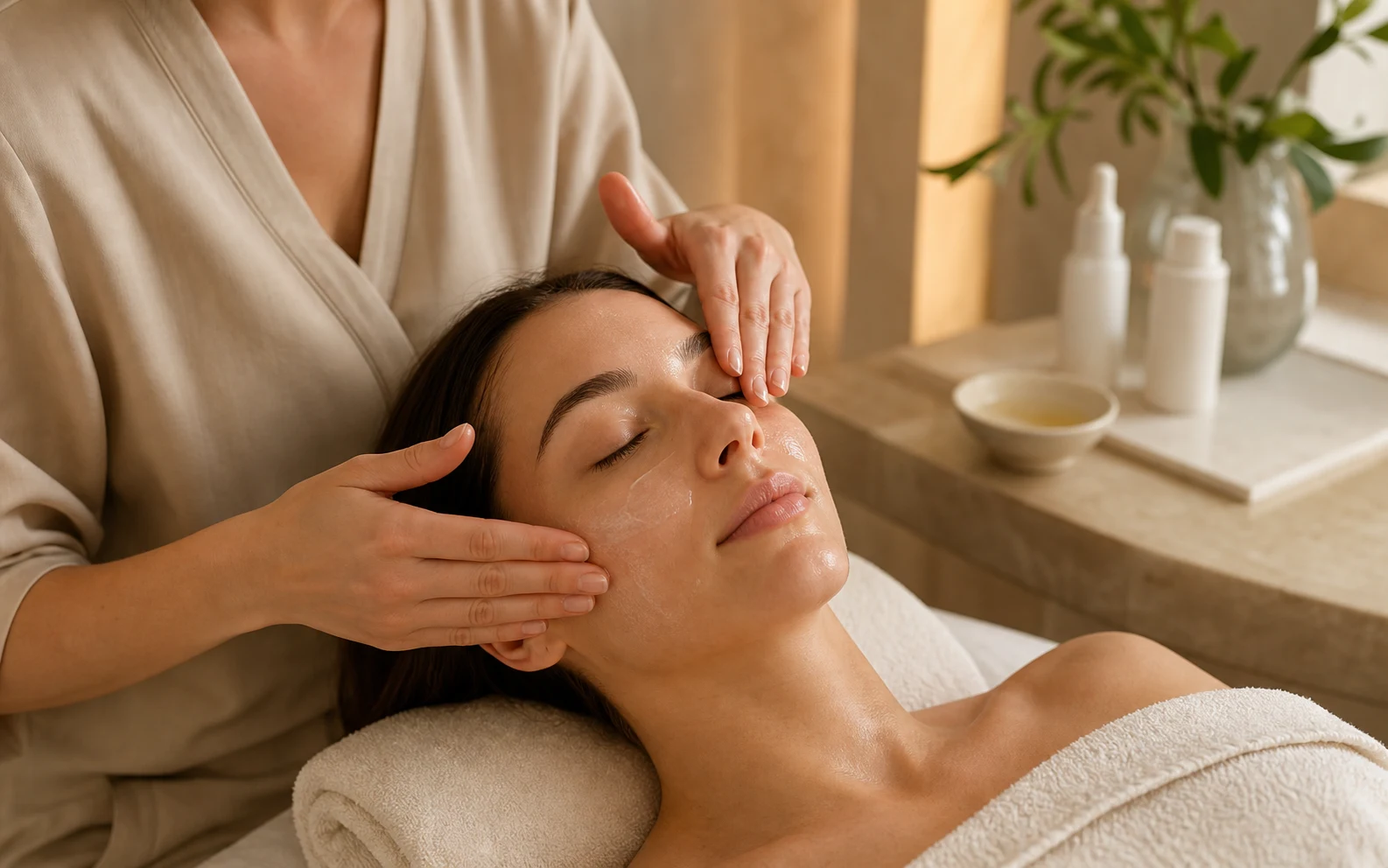
Why injectable timing belongs in a facial consultation
Many clients do not think of a facial as something that could interact with an injectable appointment. They see one as skincare and the other as aesthetics, so they book both during the same beauty week. The issue is not that the two categories can never coexist. The issue is that cleansing pressure, massage, heat, exfoliation, extraction and post-treatment irritation all need a calendar.
Botulinum toxin and dermal fillers are not the same. Botulinum toxin temporarily relaxes targeted muscles; fillers add volume or contour in selected tissue planes. They have different risks, different instructions and different settling patterns. A facial specialist does not manage those medical decisions, but should know whether either procedure happened recently or is scheduled soon.
This is why Anywell-style consultation should ask about recent injections, planned injections, bruising, swelling, tenderness, dental work, illness, allergies, pregnancy, blood-thinning medication, recent laser, peels and strong home actives. The answer can change everything from massage direction to whether the facial should happen at all.
The medical boundary: injectables are not facial-bar services
The CDC's 2026 safety guidance for botulinum toxin injections tells consumers to choose licensed, trained providers and to ask whether the product comes from an authorized source of FDA-approved botulinum toxin. The American Academy of Dermatology also warns against buying botulinum toxin online or receiving injections in non-medical settings. That matters for facial-bar language: Anywell should never make injectable decisions sound casual.
The FDA describes dermal fillers as medical device implants and explains that approved fillers have specific uses, risks and provider considerations. FDA consumer guidance also distinguishes dermal fillers from botulinum toxin products. A facial may be part of a client's beauty routine, but it is not a substitute for a licensed medical consultation about filler type, placement, complication signs or product sourcing.
The practical Anywell boundary is simple. The facial specialist can ask what was done, when it was done, what aftercare was given, whether there is swelling or pain, and whether the injector restricted massage or heat. The specialist should not advise on dose, placement, correction, dissolving, complication management or whether a client is medically suitable for injectables.
Before injectables: choose polish, not inflammation
A facial before Botox or fillers is usually easier to plan than a facial immediately afterward, because the specialist can work before the medical procedure has created fresh injection sites. Even then, the facial should be chosen carefully. The best pre-injectable facial supports a clean, hydrated, comfortable surface without leaving the face sensitized.
For many clients, that means a gentle cleanse, light exfoliation only if the skin already tolerates it, hydration, calm massage and a simple finish. It may not be the week for a new aggressive peel, heavy extraction, intense heat or a treatment that predictably leaves redness. If the skin is inflamed before injectables, the injector may need to adjust or postpone the medical plan.
The safest sequence depends on the client and the injector's preferences, but a conservative facial bar will usually prefer to schedule deeper cleansing or massage before an injection appointment rather than immediately after. If the client wants glow for an event and injectables in the same period, the calendar should be built backward from the event date, not improvised the day before.
After Botox: why pressure and rubbing change the plan
AAD guidance after botulinum toxin treatment includes avoiding rubbing or massaging injected areas and taking care not to press makeup into the skin. That does not mean the face becomes fragile forever. It means the first post-treatment window deserves respect, especially around the areas that were injected.
A facial immediately after Botox is rarely the most elegant choice. Facial massage, cleansing pressure, towel work, gua sha, face workout coaching, lymphatic-style drainage, heat and long time lying face-down can all conflict with common aftercare advice. A client who wants a relaxing treatment should usually book the massage or glow facial before the injectable appointment, then wait until the injector's aftercare window has passed.
When the client returns later, the specialist still needs details: injection date, treated zones, bruising, tenderness, headache, instructions and any unexpected symptoms. If the client was told not to massage certain areas, Anywell should follow that instruction. If something feels abnormal, the answer is to contact the medical provider, not to try to massage it away.
After fillers: avoid moving, pressing or heating treated areas
Dermal filler aftercare can be more zone-specific because filler placement varies: lips, cheeks, chin, jawline, folds or other areas. AAD filler guidance notes that patients may be told to avoid touching treated areas unless their dermatologist gives specific massage instructions. The FDA also explains that fillers carry risks such as swelling, bruising, tenderness, infection and rare serious complications.
For a facial bar, that creates a clear rule: do not treat a fresh filler area as a normal massage zone. Avoid strong pressure, sculpting massage, gua sha, facial cupping, heat, aggressive cleansing, extractions near the injected area and anything that could create additional swelling or irritation. The specialist should never attempt to correct lumps, asymmetry, pain, unusual color change or visual symptoms in the facial room.
A later facial can still be beautiful. It may focus on gentle cleansing, hydration, barrier comfort, shoulder relaxation without facial pressure, or zones away from the treated area if the injector has allowed it. The luxury is not doing everything. The luxury is knowing what to leave alone.
A practical booking calendar
If you want both a facial and injectables, start with the injector's rules. Then tell the facial bar the dates before the appointment begins. A conservative plan often places stronger facial work before the medical procedure and keeps the first days afterward quiet. Exact timing should be individualized, because the treated area, product type, bruising, swelling, skin sensitivity and event date all matter.
For a pre-event week, avoid stacking unknowns. Do not try your first strong exfoliation, first deep extraction facial and first injectable appointment all at once. If the event is close, choose predictable hydration and glow. If the injectable appointment is already booked, ask whether the facial should happen before it or be postponed until after initial settling.
The most useful phrase to say at reception is direct: I had Botox or filler on this date, in these areas, and these were my aftercare instructions. That one sentence helps the specialist adjust pressure, massage, heat, exfoliation and product choice. It also signals that the client values safety over drama.
Case study: glow facial before a filler appointment
A client books cheek filler on Friday and wants an Anywell facial on Thursday night because she wants to look fresh. Her skin is stable, but she has mild congestion around the nose and tight cheeks from air conditioning. A pressure-aware plan would avoid making the skin angry before a medical appointment.
The specialist may choose a gentle cleanse, light hydration, very limited pore work away from sensitive zones, no aggressive peel and no treatment that leaves predictable redness. The client leaves with simple aftercare: gentle cleanser, moisturizer, daytime protection and no experimenting with strong actives before the injection appointment. The injector still makes the final medical decision.
This kind of facial does not compete with the filler appointment. It prepares the skin surface to look calm and well cared for, while leaving the medical procedure in its own lane.
Case study: massage request two days after Botox
Another client asks for facial massage two days after botulinum toxin around the forehead and crow's feet. She feels well and wants de-puffing before dinner. The facial specialist should not treat the request as a normal massage booking. The first question is what the injector advised and whether the treated areas should be avoided.
A cautious Anywell response may be to postpone facial massage or choose a very gentle non-massage hydration service if the injector's instructions allow it. The client should avoid rubbing or pressing the injection zones, and any unusual symptoms should be referred back to the medical provider. This is not a missed service opportunity. It is professional judgment.
The client may return later for massage du visage, lymphatic-style drainage or sculpting touch when the aftercare window is clear. Waiting often creates a better experience because the specialist can work without anxiety around fresh treatment areas.
When to pause the facial and call the provider
A facial should be postponed if there is unexplained swelling, increasing pain, unusual skin color, open wounds, infection, fever, spreading redness, visual symptoms, difficulty speaking or swallowing, shortness of breath, severe headache or any symptom the injector told you to monitor. A beauty treatment should not be used to calm a possible complication.
The FDA's filler guidance includes serious warning signs such as unusual pain, vision changes or skin color changes near an injection site. CDC botulinum guidance also tells consumers to seek appropriate care if concerning symptoms occur after botulinum toxin. Anywell's role is to recognize the boundary and direct the client back to qualified care.
This same caution applies to recent surgery, laser, deep peels, sunburn, active rash, uncontrolled acne inflammation or an allergic reaction. The best facial bar is not the one that treats every face on every day. It is the one that knows when the skin or medical history is asking for a pause.
Why restraint feels more premium
High-end facial care is sometimes mistaken for more: more massage, more active ingredients, more pressure, more visible redness, more add-ons. Around injectables, the more refined standard is restraint. A specialist who edits the treatment protects the client, the visible result and the reputation of the brand.
The FDA's anti-aging cosmetics guidance is a useful editorial guardrail because it separates ordinary cosmetic appearance language from claims that imply structural change. Anywell can speak about supporting hydration, smoother-looking texture, calm glow, makeup readiness and comfort. It should not promise to lift tissue, change filler placement, extend Botox results or replace medical aesthetics.
This is also better SEO. Readers searching for facial after Botox and fillers are not only looking for a treatment menu. They are looking for judgment. A page that explains what to do, what to avoid and when to ask the injector earns more trust than a page that pretends every service is always suitable.
Questions to ask before you book
Ask whether the facial includes massage, gua sha, strong exfoliation, extraction, heat, steam or device work. Ask whether the specialist can adapt pressure around recently treated zones. Ask how the plan changes if you have bruising, tenderness or swelling. Ask what to do at home that evening.
Also ask your injector what beauty services to avoid and for how long. Bring that answer to the facial bar. If the two sets of advice conflict, choose the more conservative route and contact the medical provider. The facial can wait; a complication or irritated face is harder to unwind.
For many clients, the final plan is simple: book a calming facial before injectables, keep the first post-treatment days quiet, return later for massage or sculpting touch, and maintain glow with gentle cleansing, moisturizer and daytime protection. That rhythm supports beauty without rushing the face.

Conclusion: the Anywell way
Facial timing around Botox and fillers is not about fear. It is about professional sequencing. A premium facial bar can support a cleaner, calmer and more luminous-looking face, but it should respect the medical status of fresh injectable work and the injector's aftercare instructions. At Anywell, the best plan starts with honest consultation: what was done, when it was done, what the skin feels like today, and what the client needs the face to do next. Explore Anywell services or book a consultation if you want a glow plan that fits your calendar, your skin and your safety boundaries.
FAQ
Can I get a facial after Botox?
You should follow your injector's aftercare first. Because common guidance includes avoiding rubbing or massage on injected areas for a short period, many clients should postpone facial massage and pressure-based treatments until cleared.
Can I get a facial before fillers?
Often a gentle facial before fillers is easier to plan than one immediately after, but avoid aggressive treatments that leave redness or irritation. Tell both providers your schedule.
Is facial massage safe after dermal fillers?
Do not massage freshly treated filler areas unless your injector specifically instructs you to. A facial bar should avoid pressure, heat and sculpting work near recent filler.
What should I tell my facial specialist?
Share the injection date, treated areas, product category if you know it, bruising or swelling, aftercare restrictions, recent actives, allergies and any symptoms that feel unusual.
What kind of facial is safest around injectables?
A conservative plan usually favors gentle cleansing, hydration, barrier comfort and minimal pressure, with stronger exfoliation or massage scheduled before injectables or after the medical aftercare window.