
Post-acne skin can be emotionally complicated. The active breakout may have settled, yet the mirror still shows flat brown or red marks, uneven texture, rough patches, lingering sensitivity, enlarged-looking pores, or a dull finish that makes the client feel as if the acne never really ended. A post-acne facial treatment should start by naming that reality carefully: the skin may need support, polish and confidence, but it does not need exaggerated promises.
The Anywell approach is conservative, tactile and barrier-aware. A facial can support comfort, smoother-looking texture, better hydration, cleaner routine habits and a calmer visible glow. It cannot guarantee scar removal, erase pigmentation overnight, cure acne or replace dermatology care. The difference matters because true textural acne scars, flat post-inflammatory color, active blemishes and a damaged barrier need different decisions.
This guide is general education, not medical advice. If acne is painful, cystic, infected, spreading, leaving new scars, or not improving with appropriate care, a dermatologist is the right professional to involve. If the skin is simply in the post-breakout phase and needs cosmetic support, a well-planned facial can help the client move from frustration to a more intelligent routine.
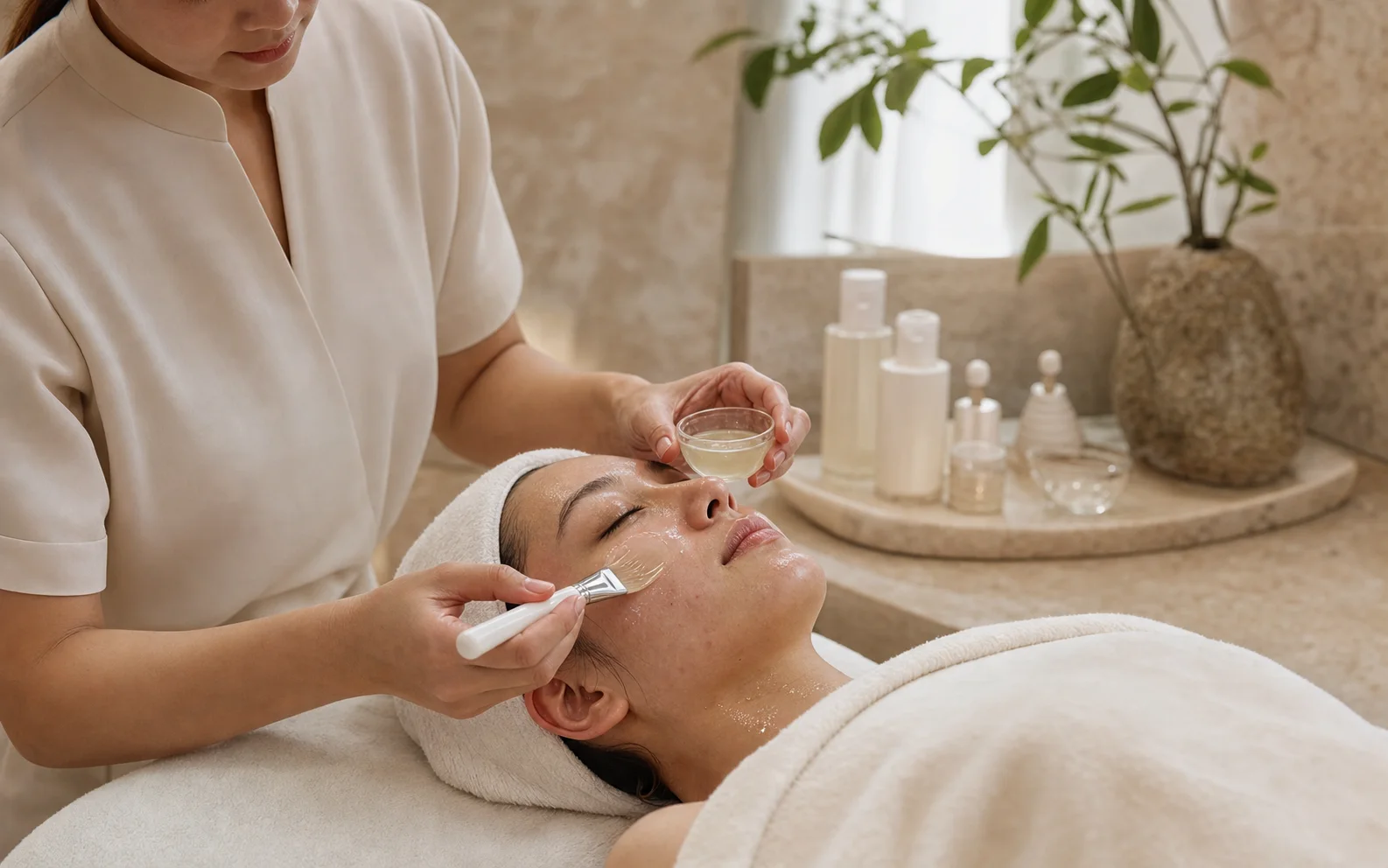
Post-acne does not mean one skin condition
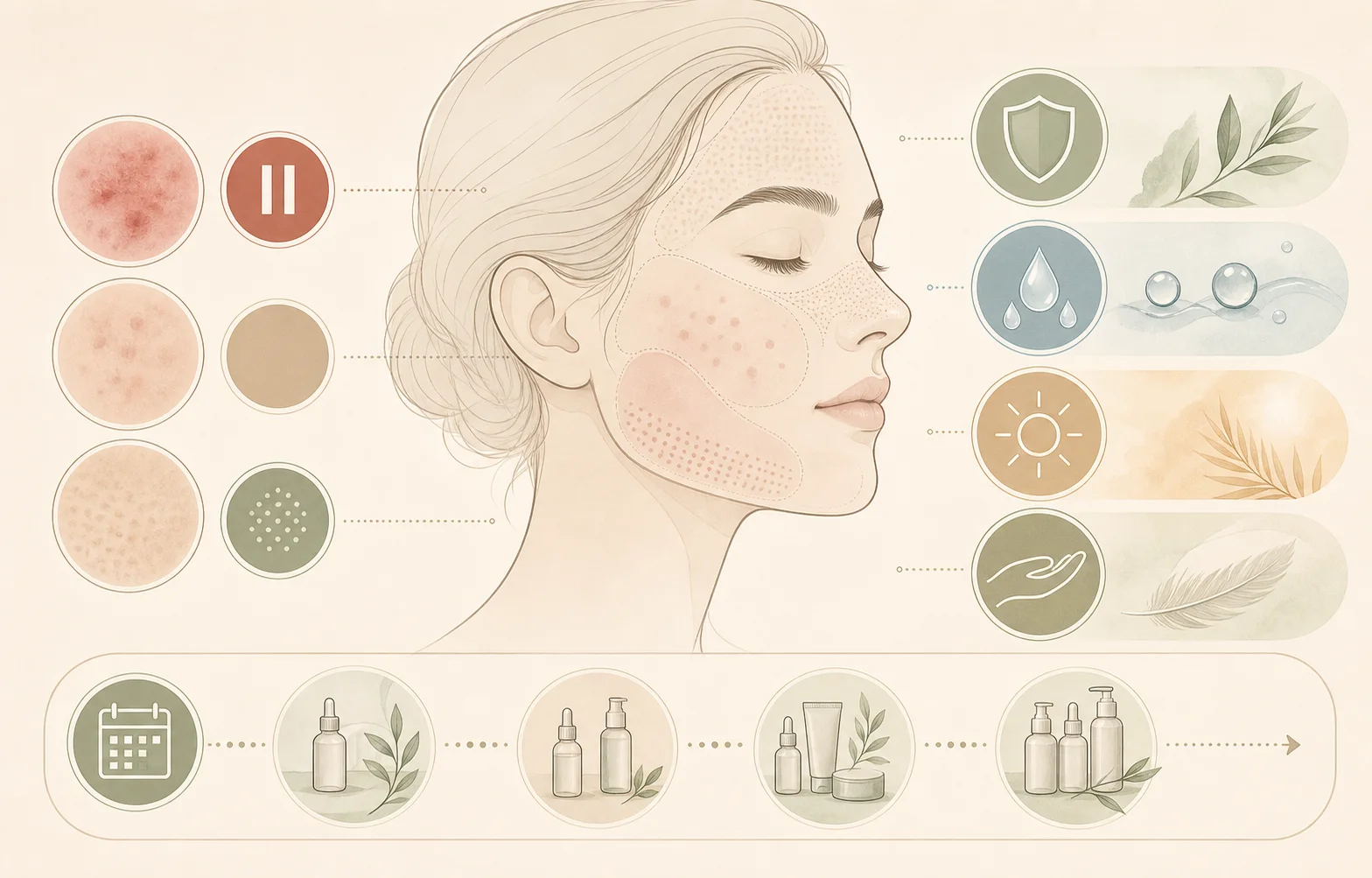
Clients often say acne scars when they are describing several different things. A true scar changes the skin surface: it may be indented, raised, firm or uneven to the touch. A post-inflammatory mark may be flat and visible because color remains after inflammation. A rough surface may come from congestion, dehydration, over-exfoliation, healing blemishes or product buildup. A premium consultation separates these concerns before choosing a service.
The American Academy of Dermatology explains that acne scar treatment is best discussed with a dermatologist, and it also emphasizes that active acne should be controlled to help prevent new scars. That guidance is important for a facial bar. Anywell can support cosmetic appearance and routine clarity, but it should not pretend that a soothing mask is a substitute for medical scar procedures when deeper scarring is the concern.
The first decision: active breakout or post-breakout skin
A post-acne facial treatment is most appropriate when the skin is no longer in an inflamed, painful or actively spreading phase. A few small closed comedones or residual marks are different from tender cysts, open lesions, infection, swelling or skin that has been recently picked. If the skin is hot, painful or medically unstable, a beauty facial should be paused or modified.
This boundary protects the client and the brand. Extraction, friction, heat, strong exfoliation and layered actives can make a reactive face worse. The more premium route is to ask what the skin is ready for today. Sometimes the answer is a full treatment. Sometimes it is a calming facial with no extraction. Sometimes it is a consultation and a recommendation to seek dermatology care first.
Texture, marks and true scars need different language
A client with flat brown marks needs a different conversation from a client with pitted scars. Flat marks can often look more even over time with daily sun protection, gentle routine consistency and carefully timed brightening or exfoliating ingredients. Textural scars may need dermatologist-led options such as procedures, depending on scar type and skin condition. A facial can make the surface look fresher, but it should not be sold as scar revision.
Cleveland Clinic describes acne scars as the result of inflammation and skin repair, and discusses different professional treatment routes. For Anywell editorial language, the practical translation is simple: say smoother-looking, more comfortable, refined visible texture, and support. Avoid erased, removed, cured, permanent or guaranteed.
Why barrier comfort comes before brightness
Post-acne clients often want brightness quickly. They may have already tried acids, retinoids, drying spot treatments, scrubs, clay masks and multiple serums because the marks feel urgent. The result can be a face that still has marks but now also stings, peels or looks shiny and tight. Barrier stress makes any brightening plan less elegant.
DermNet's skin barrier overview is useful here because it frames the barrier as a protective system that helps reduce water loss and irritant exposure. A post-acne facial should respect that system. Gentle cleansing, enough slip during massage, a calming hydration step and a simple aftercare plan can make the skin more cooperative before any stronger texture work is considered.
What a post-acne facial can realistically include
A balanced Anywell plan may include a careful cleanse, skin diagnostics, very selective extractions only where suitable, lightweight hydration, a calming mask, low-friction massage, a moisturizer texture matched to the client's skin and daytime protection guidance. It may avoid steam, aggressive scrubbing, strong peel work or long massage if the skin is reactive.
The treatment should feel purposeful, not punishing. Post-acne skin has often already been over-controlled at home. The facial room should not repeat that mistake. Instead, the specialist can refine what is ready to be refined and leave the rest alone. Precision is more luxurious than intensity.
When exfoliation helps and when it is too soon
Gentle exfoliation can sometimes help dull, uneven surface texture. It may make the skin look smoother and help skincare sit more evenly. But exfoliation is not automatically appropriate after breakouts. If the client recently used retinoids, acids, benzoyl peroxide, a peel, a scrub or a strong acne routine, the skin may need a pause before more active work.
A useful question is whether the skin looks dull because dead surface cells are ready to shed or because it is inflamed and dehydrated. Those can look similar to a client, but they should not be treated the same way. If the face stings when water touches it, brightness can wait. Comfort comes first.
Sunscreen is part of post-acne treatment planning
Post-acne marks often look more stubborn when the skin is exposed to ultraviolet light without adequate protection. Dermatology guidance regularly emphasizes sun protection in acne-scar and pigmentation conversations, especially after procedures. In the facial bar context, sunscreen is not an afterthought; it is part of protecting the visible result.
The best sunscreen is the one the client will actually use. For oily or acne-prone clients, a heavy finish can make compliance unlikely. For sensitive post-acne clients, fragrance or sting can create resistance. Anywell's role is not to prescribe a medical sunscreen, but to explain texture matching and daily protection in practical, non-fearful language.
How to handle retinoids, acids and acne products
Many post-acne clients are using active ingredients at home. Retinoids, exfoliating acids, benzoyl peroxide and other acne-related products can be appropriate for some routines, but they change the facial plan. The specialist needs to know what was used in the previous week, what caused peeling, and whether the client increased frequency recently.
A facial just after a heavy active routine may need to be calmer: no aggressive exfoliation, shorter massage, fewer layers, bland hydration and clear instructions for when to restart actives. The client should not leave with five new products and no idea what changed. A refined routine is often shorter than the one that created the problem.
Case study: flat marks before a professional event
A client books ten days before a conference. Acne has settled, but flat brown marks remain on the cheeks and jaw. She wants the marks gone before photographs. She also used an exfoliating toner three nights in a row because she felt rushed. The unsafe answer would be to promise dramatic fading with a strong treatment.
A better Anywell plan would explain that flat marks need time and sun protection, then choose a facial focused on hydration, soft surface polish only if tolerated, a calm mask and a makeup-friendly finish. The goal is a fresher, less tired visible appearance and a skin routine that does not trigger new irritation before the event.
Case study: uneven texture after months of breakouts
Another client has uneven texture and a few shallow-looking marks after months of breakouts. He is no longer inflamed, but he picks at any small bump because he is afraid acne is returning. The facial consultation should include behavior, not judgment. Picking can worsen inflammation and make marks more noticeable.
The treatment may include gentle cleansing, careful assessment, limited extractions if the skin allows, calming hydration and education about what to leave alone. If the texture is true scarring, the client should be told honestly that a dermatologist can discuss procedure-based options. Anywell can support the skin around that journey, not replace it.
Aftercare for the next forty-eight hours
After a post-acne facial, keep the routine intentionally quiet. Cleanse gently, moisturize, use daytime protection and avoid scrubs, strong acids, retinoid escalation, hot water, sauna, heavy sweating and picking unless the specialist has given different advice for your specific skin. The face should not be asked to prove the facial worked by tolerating more stress immediately.
Watch the skin the next morning. Does it feel calmer? Did any zone sting? Are the marks darker because of irritation or simply unchanged because color takes time? Does makeup sit more evenly? These observations are more useful than panic. They help the next treatment become more precise.
What to ask before booking
Ask whether the service will prioritize barrier comfort, texture refinement, hydration, extraction or event-ready glow. Ask how recent acne medication, retinoids, acids, picking, sun exposure, waxing, injectables, pregnancy or allergies might change the plan. A premium facial bar should welcome these questions because they make the treatment safer and more personal.
Also ask what not to do afterward. Good aftercare is not a sales script. It should tell the client when to restart active ingredients, how to simplify the routine, and when to seek medical advice. The more honest the boundary, the more trustworthy the service.
How often to book post-acne facials
Frequency depends on the skin's stability. A client recovering from recent irritation may need spacing and gentle services. A client with controlled acne and mild congestion may benefit from a planned rhythm. A client with new painful lesions should not keep booking stronger beauty treatments while the underlying problem is active.
The best schedule is responsive. If the skin becomes calmer and routine consistency improves, the next appointment can refine texture more confidently. If redness, burning or new breakouts appear, the plan should step back. Post-acne care rewards patience.
Where partner links fit in this article
Partner anchors are intentionally skipped in this guide. The subject is clinical-adjacent and client-safety focused, so adding a third-party commercial anchor would distract from the conservative medical boundary. The more SEO-safe choice is to keep the article centered on Anywell education, authoritative references and relevant internal Journal links.
That restraint is part of editorial quality. A premium skincare article should not force every possible link. It should use the links that make the reader more informed.
Professional checklist before booking this treatment
Match the service to the skin today
Before choosing this service, look at your skin as a specialist would: current comfort, recent product use, sensitivity, event timing, and the result you want to see in the mirror. For post-acne facial treatment, the best appointment is not necessarily the strongest appointment. It is the appointment that matches the condition of the skin on the day you arrive.
Tell the specialist about recent retinoids, acids, peels, cosmetic procedures, sun exposure, allergies, pregnancy, medication, or any reaction that made the skin burn or sting. This information changes pressure, exfoliation, device intensity, massage direction, product choice, and aftercare. A premium facial bar experience should feel personal because the skin history is part of the treatment.
After the appointment, protect the result with a simple routine. Avoid stacking strong actives immediately, keep the skin moisturized, use daytime protection, and notice how the face feels the next morning. The most useful beauty advice is rarely dramatic. It is specific, repeatable, and adapted to real life.
Read the result like an expert
It is also helpful to decide what success looks like before the treatment starts. For some clients, success is a fresher complexion before an event. For others, it is less tightness, a softer jaw, calmer redness, cleaner pores, or a routine that finally feels understandable. When the goal is precise, the specialist can choose a precise path and avoid turning every facial into the same generic protocol.
If your skin does not respond as expected, do not immediately add more products or book a stronger service. Review sleep, stress, cleansing habits, sun exposure, climate, and how often active ingredients are being used. A premium skincare plan evolves by observation. The face gives feedback, and a good facial bar uses that feedback to adjust the next appointment.
There are also moments when the best professional choice is to wait. Active infection, unexplained swelling, strong burning, open lesions, recent aggressive procedures, or a reaction that has not settled should change the plan. A beauty treatment should never compete with medical judgment. When in doubt, the safest luxury is restraint.
Build a long-term facial plan
For long-term authority, think of each visit as one chapter in a skin journal. The specialist notes what worked, what felt too strong, what created glow, and what should be repeated or avoided. This is how facial care becomes more intelligent over time: not through constant novelty, but through careful memory of the skin.
The final filter is lifestyle. A treatment that looks perfect on paper may be wrong before a flight, after poor sleep, during a stressful week, or just before heavy makeup. Premium skincare respects context. It asks not only what the skin needs, but what the client needs the skin to do during the next few days.
That is why the best recommendation is often a sequence rather than a single appointment. Start with the service that calms and clarifies, then build toward more active or sculpting work when the skin is ready. This patient order creates better visible results and a better relationship with the face.
For reader clarity, document the same logic in the article itself: what the treatment is for, who should be cautious, what result is realistic, and how the home routine protects the work. Readers trust a beauty brand more when it explains limits as clearly as benefits.
The same structure also supports the Anywell editorial standard. A strong journal article should answer the client's practical questions before they are asked: how the treatment feels, how long the visible result may last, what to avoid afterward, and when another service would be wiser. That level of usefulness is what separates premium editorial content from a simple service description.
For a facial bar, this clarity also improves the booking experience. The client arrives with better vocabulary, the specialist can refine the plan faster, and the treatment feels more intentional from the first consultation to the final aftercare recommendation. It turns education into confidence, and confidence into a calmer, more premium client journey.
Conclusion: the Anywell way
Post-acne facial treatment is not about attacking the face until every mark disappears. It is about reading the difference between active breakout, flat color, true texture change and barrier stress, then choosing care that supports a calmer, smoother-looking and more confident complexion. Explore Anywell services or book a consultation if you want a post-acne plan that respects both visible goals and skin limits.
FAQ
What is a post-acne facial treatment?
It is a professional facial planned for skin after breakouts have settled, with attention to texture, flat marks, hydration, barrier comfort, gentle cleansing and realistic aftercare.
Can a facial remove acne scars?
A cosmetic facial should not promise scar removal. It can support smoother-looking skin and comfort, while true textural scars may need dermatologist-led treatment options.
Should I book a facial during active acne?
It depends on severity. Painful, infected, cystic, swollen or worsening acne should be assessed by a qualified professional before a cosmetic facial.
Why is sunscreen important for post-acne marks?
Sun exposure can make discoloration look more persistent. Daily protection helps support the appearance of post-acne skin and protects the result of careful aftercare.
How soon can I use retinoids or acids after a post-acne facial?
Timing depends on the treatment and your skin tolerance. Many clients benefit from a short pause and a simple routine before restarting active ingredients gradually.