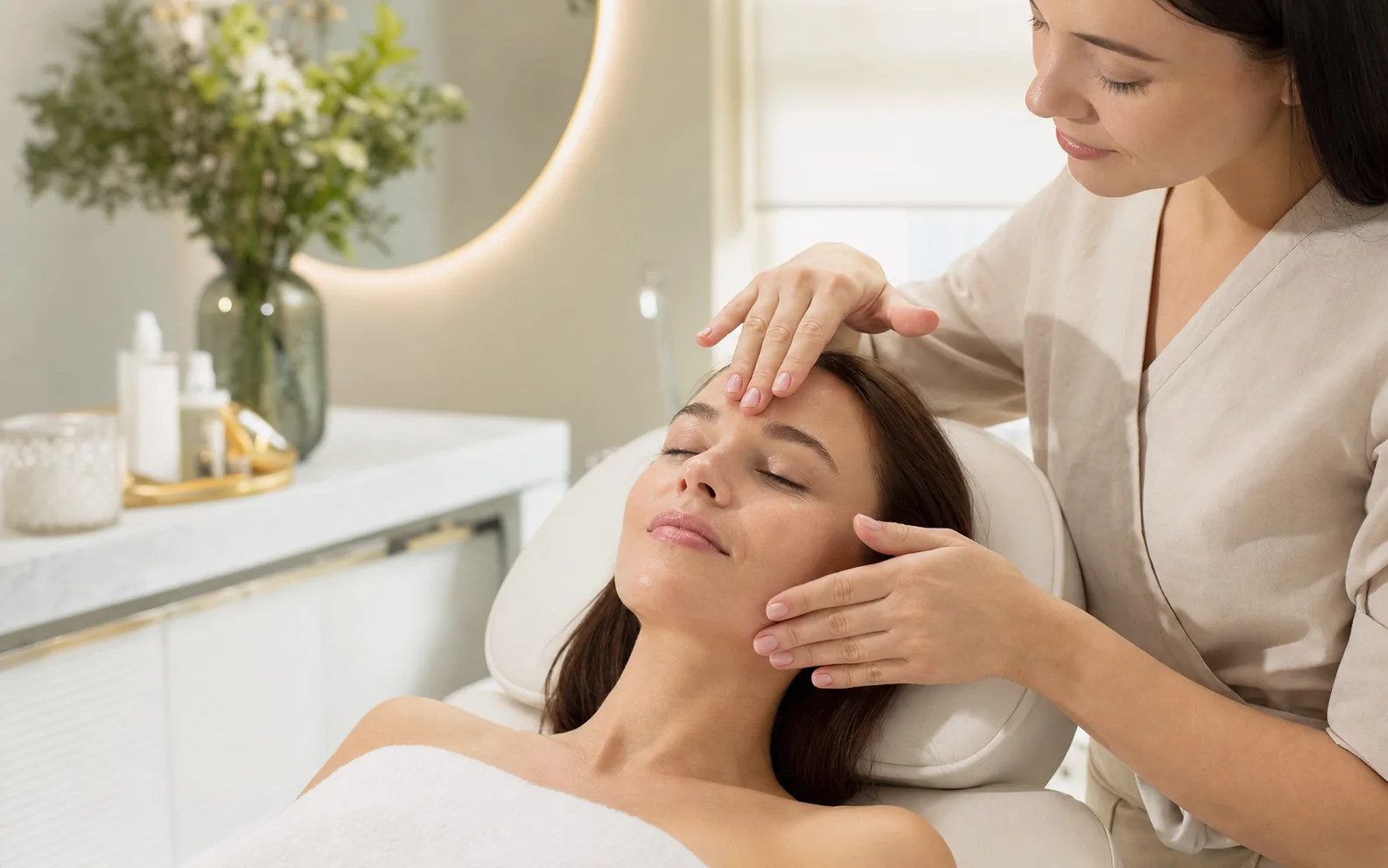
A pre-event facial treatment sounds simple: book a facial, get glow, arrive looking fresh. In reality, the best event skincare is a timing decision as much as a treatment decision. The facial that looks beautiful two weeks before a wedding may be too active two days before. The treatment that gives a polished glow before a dinner may not be enough for long-term congestion. The right plan depends on the event, the skin, the risk tolerance and the client's routine.
Premium facial bars see this scenario often. A client has a photoshoot, wedding, gala, vacation, important dinner, work presentation or public week. She wants the face to look rested, hydrated and smooth under makeup, but she cannot risk redness, peeling, breakouts or irritation. That is why pre-event planning should favor predictability over drama.
The best pre-event facial does not try to solve every skin concern at once. It clarifies priorities: comfortable barrier, even surface, less visible fatigue, refined glow, and a routine that stays calm until the event. Sometimes that means a hydrating facial. Sometimes it means light massage and drainage. Sometimes it means doing less because the skin is already reactive.
This guide explains how to time a facial before an event, what to choose, what to avoid, how to handle sensitive or oily skin, and how to read results honestly. It is general skincare education, not medical advice. Persistent rash, pain, infection, swelling, severe acne or diagnosed skin conditions should be discussed with a qualified healthcare professional.
The event skincare rule: do not surprise the skin
The closer the event is, the less the treatment should surprise the skin. A new strong peel, unfamiliar active mask, aggressive extraction session or intense device treatment can be effective in the right context, but the night before a major event is not the right context for experimentation. Even healthy skin can react unpredictably when stress, travel, makeup, sleep loss and weather are involved.
A safer pre-event facial treatment is built around known tolerance. If a client has previously enjoyed a gentle hydrating facial with no reaction, that service is a better choice than a new high-intensity resurfacing step. If the client has sensitive skin, the plan should become even more conservative: gentle cleansing, hydration, minimal friction and a calm finish.
This does not mean the treatment is boring. A precise glow facial can make skin look fresher because the surface is comfortable and hydrated. The result may be subtle in a close-up mirror but very visible in makeup, photographs and the client's expression.
When to book: a practical timing map
Two to four weeks before an event is a good window for a more exploratory consultation. This is when the specialist can assess skin goals, discuss routine, and choose whether the client needs cleansing, hydration, barrier repair, massage or a series of smaller treatments. It also gives enough time to observe how the skin responds.
Seven to ten days before an event is usually better for a familiar glow, hydration, calming or light cleansing facial. The skin has time to settle, and the client can adjust home care if there is dryness or congestion. This window is especially useful before weddings, travel, camera work or heavy makeup.
One to three days before an event should be reserved for predictable, low-risk services: hydration, gentle facial massage, light drainage, soothing masks and barrier-friendly finishing. Avoid first-time strong exfoliation, heavy extraction, waxing, intense heat, or any product that has caused stinging in the past.
Which facial fits which event goal?
For a glow goal, choose hydration, gentle refinement and a calm finishing texture. The aim is light reflection and comfort, not a stripped surface. The American Academy of Dermatology's routine guidance emphasizes gentle daily care, and that same principle applies before an event: keep the surface clean without making it tight.
For puffiness or a tired face, choose light massage or drainage-inspired work. This can help the face appear less heavy and more awake, especially after travel, a salty dinner or poor sleep. The pressure should remain light because redness is not useful when the clock is short.
For visible congestion, the timing matters. If the event is several weeks away, a cleansing facial may be appropriate. If the event is tomorrow, aggressive extraction may create marks or irritation. In that case, a specialist may choose a softer polish and plan deeper cleansing after the event.
Case study: the photoshoot client with dull but reactive skin
A client books five days before a professional photoshoot. Her skin looks dull, makeup sits unevenly, and she has used retinoid twice that week. She asks for a strong glow facial because she wants visible results. The specialist notices mild tightness on the cheeks and slight redness around the nose.
The premium decision is to avoid a dramatic peel. The plan becomes a gentle cleanse, very mild surface refinement only if the skin tolerates it, a hydrating mask, slow massage where the skin is calm, and a barrier-supportive finish. The client receives instructions to pause strong actives, moisturize consistently and use daytime protection.
The result is realistic: smoother makeup application, a fresher look, less visible fatigue and more comfort. The photoshoot is not the moment to chase every pore or pigment mark. It is the moment to help the skin look rested and reliable.
What to avoid before an event facial
Avoid stacking strong active ingredients in the days before the appointment. Acids, retinoids, rough scrubs, clay masks, at-home peels and cleansing brushes can make the skin more reactive during treatment. If the client wants an active facial, the specialist should know exactly what has been used recently.
Avoid new products immediately before the event. A product can be expensive, trendy or beautifully packaged and still irritate a particular face. The FDA notes that cosmetics can contain ingredients that trigger allergic reactions in some people, so pre-event week is not the ideal time to test a new fragrance, mask or active serum.
Avoid heat if the skin flushes easily. Sauna, steam, hot yoga, very hot showers and aggressive massage tools can increase redness for some clients. A calmer week creates a better treatment canvas and a more predictable finish.
Aftercare for the final 72 hours
After a pre-event facial, the home routine should become deliberately simple. Gentle cleansing, moisturizer and daytime protection are enough for many clients. If the specialist recommended a serum, use it as directed, but do not add several new products because the skin looks good and confidence is high.
The AAD's dry skin guidance is useful even for clients who are not dry: reduce harsh cleansing, support moisture and avoid irritating habits. A comfortable barrier helps makeup sit better. A stressed barrier can make even excellent foundation look patchy.
If the face feels unusually hot, itchy, swollen or painful after a treatment, do not cover the issue with more products. Contact the studio and seek appropriate medical guidance if symptoms are significant or persistent. A beauty event is not worth ignoring a strong reaction.
Event-day skincare and makeup logic
On the day of the event, keep skincare familiar. Cleanse gently or rinse if that is what your skin tolerates. Apply moisturizer in thin layers and allow enough time before makeup. If sunscreen is needed, choose a formula already tested under your makeup rather than trying something new.
Do not use a strong mask, exfoliating pad or tool because the mirror feels stressful. Last-minute overcorrection is one of the most common ways clients lose the glow they built. The skin usually looks best when it has been left calm for a few days.
If puffiness appears in the morning, use cool compresses and very gentle massage rather than force. The goal is to look awake, not to create redness. A short walk, water, calm breathing and enough time before makeup can support the facial result more than another product layer.
Professional checklist before booking this treatment
Match the service to the skin today
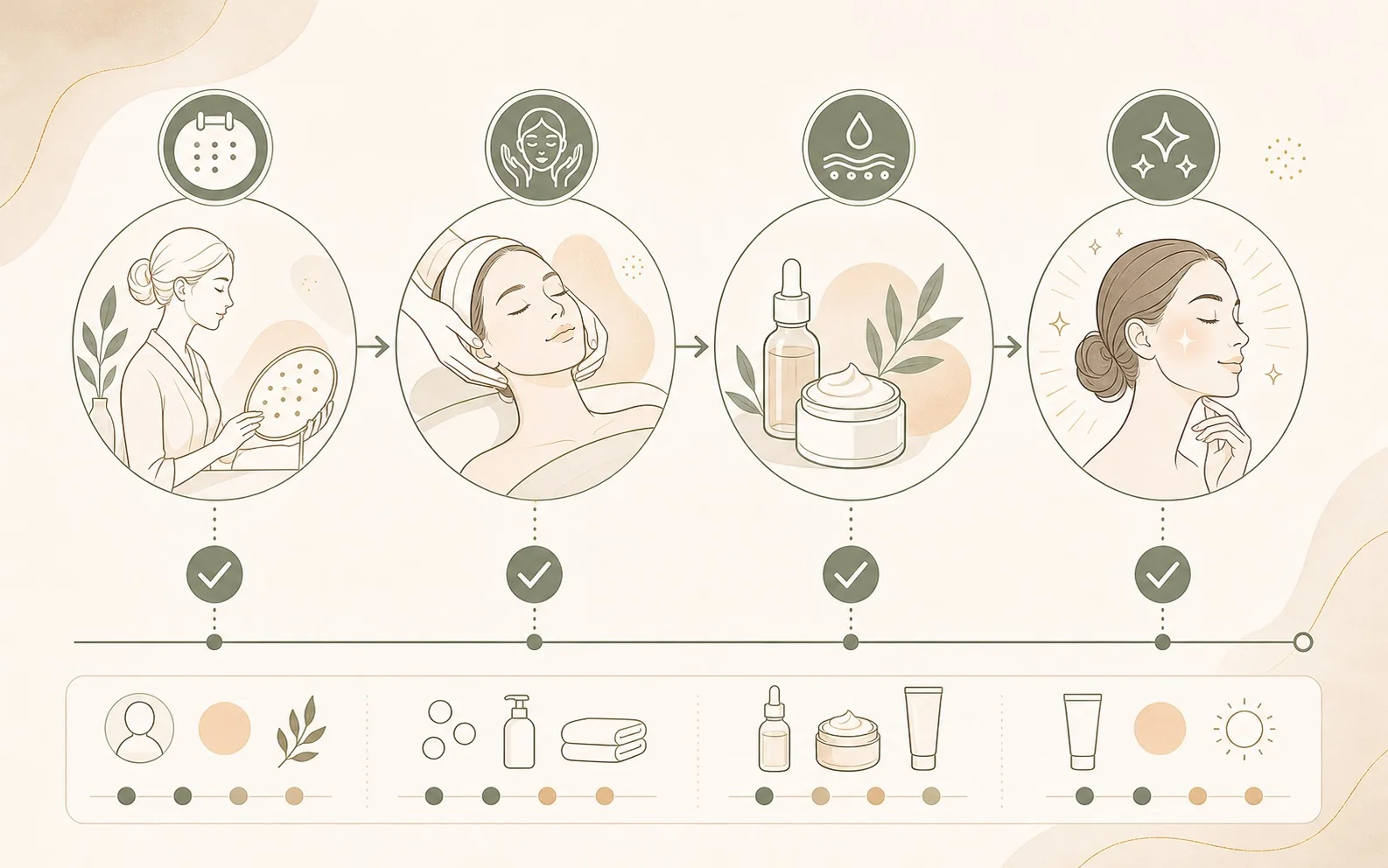
Before choosing this service, look at your skin as a specialist would: current comfort, recent product use, sensitivity, event timing, and the result you want to see in the mirror. For pre event facial treatment, the best appointment is not necessarily the strongest appointment. It is the appointment that matches the condition of the skin on the day you arrive.
Tell the specialist about recent retinoids, acids, peels, cosmetic procedures, sun exposure, allergies, pregnancy, medication, or any reaction that made the skin burn or sting. This information changes pressure, exfoliation, device intensity, massage direction, product choice, and aftercare. A premium facial bar experience should feel personal because the skin history is part of the treatment.
After the appointment, protect the result with a simple routine. Avoid stacking strong actives immediately, keep the skin moisturized, use daytime protection, and notice how the face feels the next morning. The most useful beauty advice is rarely dramatic. It is specific, repeatable, and adapted to real life.
Read the result like an expert
It is also helpful to decide what success looks like before the treatment starts. For some clients, success is a fresher complexion before an event. For others, it is less tightness, a softer jaw, calmer redness, cleaner pores, or a routine that finally feels understandable. When the goal is precise, the specialist can choose a precise path and avoid turning every facial into the same generic protocol.
If your skin does not respond as expected, do not immediately add more products or book a stronger service. Review sleep, stress, cleansing habits, sun exposure, climate, and how often active ingredients are being used. A premium skincare plan evolves by observation. The face gives feedback, and a good facial bar uses that feedback to adjust the next appointment.
There are also moments when the best professional choice is to wait. Active infection, unexplained swelling, strong burning, open lesions, recent aggressive procedures, or a reaction that has not settled should change the plan. A beauty treatment should never compete with medical judgment. When in doubt, the safest luxury is restraint.
Build a long-term facial plan
For long-term authority, think of each visit as one chapter in a skin journal. The specialist notes what worked, what felt too strong, what created glow, and what should be repeated or avoided. This is how facial care becomes more intelligent over time: not through constant novelty, but through careful memory of the skin.
The final filter is lifestyle. A treatment that looks perfect on paper may be wrong before a flight, after poor sleep, during a stressful week, or just before heavy makeup. Premium skincare respects context. It asks not only what the skin needs, but what the client needs the skin to do during the next few days.
That is why the best recommendation is often a sequence rather than a single appointment. Start with the service that calms and clarifies, then build toward more active or sculpting work when the skin is ready. This patient order creates better visible results and a better relationship with the face.
For reader clarity, document the same logic in the article itself: what the treatment is for, who should be cautious, what result is realistic, and how the home routine protects the work. Readers trust a beauty brand more when it explains limits as clearly as benefits.
The same structure also supports the Anywell editorial standard. A strong journal article should answer the client's practical questions before they are asked: how the treatment feels, how long the visible result may last, what to avoid afterward, and when another service would be wiser. That level of usefulness is what separates premium editorial content from a simple service description.
For a facial bar, this clarity also improves the booking experience. The client arrives with better vocabulary, the specialist can refine the plan faster, and the treatment feels more intentional from the first consultation to the final aftercare recommendation. It turns education into confidence, and confidence into a calmer, more premium client journey.
Conclusion: the Anywell way
A pre-event facial treatment works best when it is planned like a professional beauty schedule: consultation early, active choices only when there is recovery time, gentle glow close to the event, and simple aftercare until the day arrives. At Anywell Facial Bar, the strongest event result is not a dramatic promise. It is skin that looks calm, hydrated, polished and ready for the moment. Explore Anywell services or book a consultation when you want the facial plan to match the date on your calendar.
FAQ
How many days before an event should I get a facial?
For a familiar gentle facial, seven to ten days is often comfortable. One to three days before an event should be limited to predictable hydration, calming or light massage work.
Can I get a facial the day before a wedding or photoshoot?
Only if it is a gentle service your skin already tolerates well. Avoid first-time aggressive exfoliation, extraction or device treatments right before a major event.
What facial is best before an event?
Hydrating glow facials, calming facials and light massage are often safer close to an event. The best choice depends on skin condition and timing.
Should I stop retinol before a pre-event facial?
Tell your specialist about retinoid use. Many clients pause strong actives before and immediately after a facial, but timing should be personalized.
What should I avoid after a pre-event facial?
Avoid harsh scrubs, strong acids, new products, sauna, heavy heat and aggressive tools until after the event unless your specialist advises otherwise.