Men's skincare is often presented as either extremely simple or unnecessarily technical. A premium facial bar should take a more useful position. Many men want skin that looks clean, calm and professional, but they do not want a ten-step routine, aggressive peeling or a service that feels disconnected from shaving, beard care, sport, travel and work.
A men's skincare facial treatment can support a fresher surface, better post-shave comfort, balanced oiliness and a clearer understanding of what the skin needs. The best treatment does not assume that every male client has thick, oily, resistant skin. Some men have sensitive cheeks, dehydrated skin under beard areas, ingrown-hair tendencies, redness after shaving, or dryness from over-cleansing.
The facial-bar advantage is diagnosis. The specialist can look at the beard line, T-zone, cheeks, neck, shaving habits, product use and lifestyle before choosing cleansing, exfoliation, massage, hydration or calming steps. The result should feel practical: less confusion, more comfort and a routine the client can repeat.
This guide explains how to plan a men's facial treatment with realistic expectations. It is general skincare education, not medical advice. Persistent rash, severe acne, infection, painful bumps, unexplained swelling or reactions that do not settle should be discussed with a qualified healthcare professional.
Why men's facial care needs its own consultation
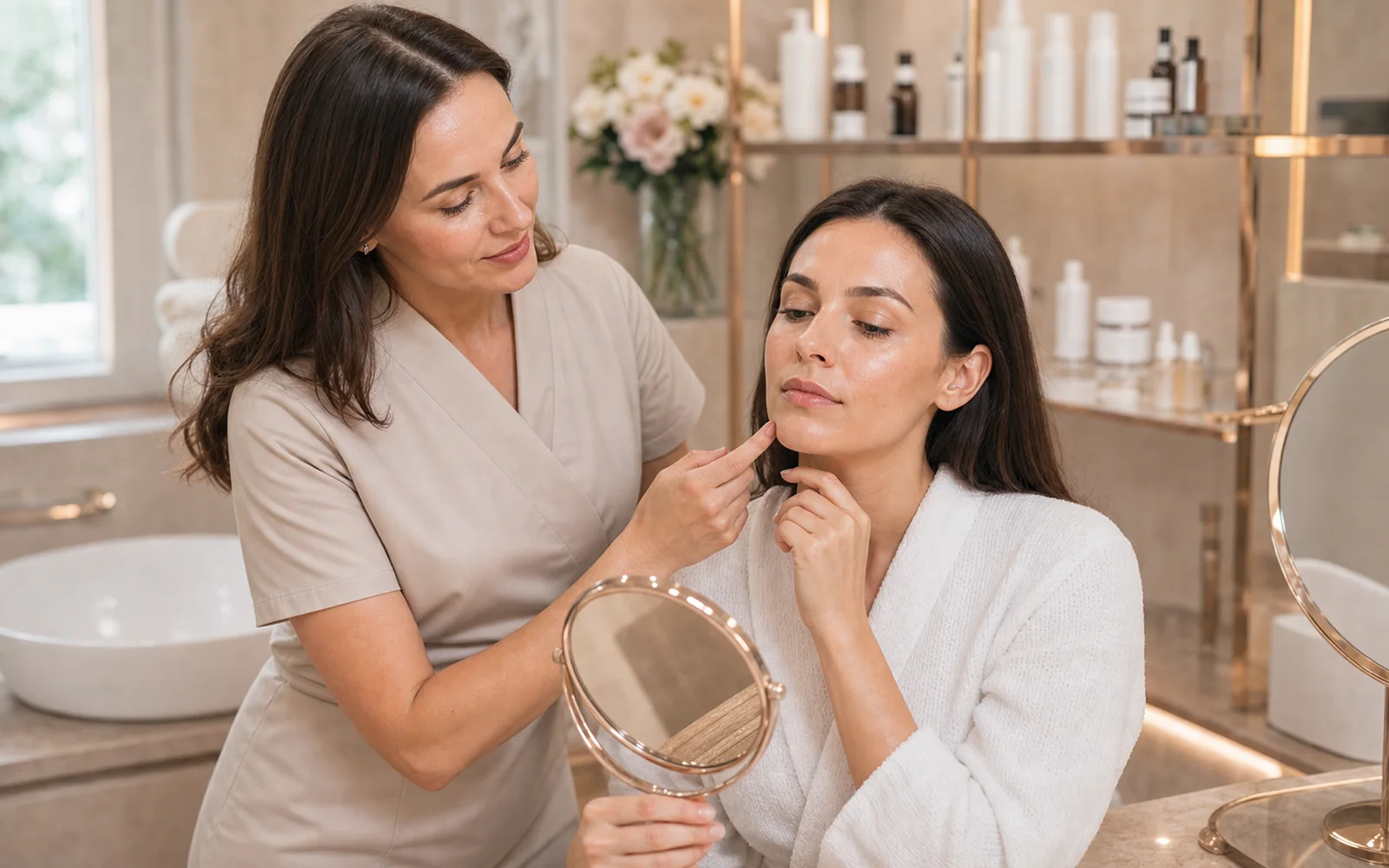
A useful men's facial begins by asking different questions. How often do you shave? Do you use an electric razor, blade, trimmer or barber service? Does the neck sting after shaving? Does moisturizer feel too heavy? Is the forehead oily by midday while the cheeks feel tight? These details are more important than guessing from gender alone.
The American Academy of Dermatology notes that understanding skin type helps people choose products that suit them, and that same idea belongs inside the treatment room. Men can have sensitive, dry, oily, combination or normal skin. A facial becomes premium when it stops treating all male clients as one category.
Consultation should also cover gym habits, helmet or mask use, sunscreen, fragrance, aftershave, retinoids, acne medication, recent sun exposure and cosmetic procedures. A client who uses strong exfoliating pads after shaving needs a different plan than a client who only rinses with hot water and no moisturizer.
Post-shave comfort is a skin-barrier issue
Shaving changes the skin conversation. A razor removes hair, but it also creates friction across the surface. For some men, that means temporary tightness. For others, it means razor burn, bumps, visible redness or a neck area that feels hot after grooming. A facial treatment should respect this history before adding exfoliation or massage.
Cleveland Clinic guidance on razor burn emphasizes soothing, moisturizing and avoiding irritants when skin is uncomfortable after shaving. In a facial bar, that translates into gentle cleansing, enough slip for massage, avoiding harsh scrubs on freshly shaved areas and finishing with a texture that leaves the beard line calm rather than greasy.
The specialist may also ask the client to avoid shaving immediately before an appointment if the skin usually reacts. Arriving with a little stubble can sometimes make the treatment more comfortable, especially when the goal is hydration, massage and barrier support instead of a perfectly smooth finish.
Oil control without stripping the face
Many men ask for oil control because the forehead, nose and chin look shiny during the day. The common mistake is to attack shine with harsh cleansers, alcohol-heavy aftershaves, repeated exfoliation or clay masks used too often. The skin may feel clean for an hour, then become tight, reactive or shiny again.
A better men's skincare facial treatment treats oil as something to balance, not punish. The T-zone may need thorough cleansing and a measured refining step. The cheeks may need hydration. The beard line may need a calmer approach. Different facial zones can receive different intensity during the same appointment.
The American Academy of Dermatology's face-washing guidance favors gentle cleansing and avoiding harsh scrubbing. That advice is especially useful for oily male skin because over-cleansing can make the face feel uncomfortable without actually solving the client's daily shine pattern.
Case study: the professional client with shaving irritation and midday shine
Imagine a client who works in a client-facing role, shaves most mornings, and notices a shiny T-zone by lunchtime. His neck often stings after shaving, but he avoids moisturizer because he thinks it will make the face oilier. He books a facial because he wants to look fresher before a week of meetings.
A premium treatment would not start with the strongest peel. The specialist might cleanse carefully, refine the forehead and nose only where the skin tolerates it, avoid aggressive friction along the neck, use light facial massage to release jaw tension, and finish with a weightless moisturizer. The service feels clean and masculine without becoming harsh.
The home plan is practical: use a gentle cleanser, shave with enough glide, avoid scraping over the same area repeatedly, apply a light moisturizer after shaving, and use daytime protection. If he visits a grooming space or a modern barbershop for beard shaping, he should still treat the post-shave skin as skin, not just as hairline maintenance.
Facial massage for men: jaw tension, tired eyes and a less heavy face
Men often hold visible tension in the jaw, temples and brow. Long screen days, stress, clenching, driving, poor sleep and heavy workouts can make the face look compressed. Facial massage can help the face look more rested, especially when the treatment includes the neck, jawline and temples.
This does not mean massage creates a permanent lift or changes bone structure. It can support a temporary lighter look, soften expression tension and make the treatment feel restorative. For men who are new to skincare, massage often becomes the part of the facial that makes professional care feel worthwhile.
Pressure should still be adapted. Stronger is not automatically better. A beard area can tolerate different touch than a freshly shaved neck. Sensitive skin needs less friction. A premium specialist adjusts technique instead of performing the same routine on every face.
What a men's facial should not promise
A credible facial should not promise to cure acne, permanently remove pores, eliminate razor bumps, reverse aging or replace dermatology care. It can support a cleaner surface, calmer comfort, better hydration, a more rested look and smarter product habits. That is already valuable when the client has been guessing alone.
The FDA explains that cosmetics are regulated, but most cosmetic products and ingredients do not require FDA approval before marketing, except color additives. This is a useful reminder for clients: elegant packaging and strong claims are not the same as a personalized routine. Skin response matters more than marketing language.
If a product causes burning, swelling, strong itching or a persistent reaction, stop using it and seek appropriate professional guidance. The facial-bar role is to educate and adapt, not to diagnose medical conditions.
A simple routine after the appointment
The best aftercare for men is usually short enough to repeat. In the morning: cleanse or rinse depending on skin tolerance, shave with glide if needed, apply a light moisturizer, then use daytime protection. In the evening: cleanse gently and moisturize. Active products can be added later, but only when the base routine feels comfortable.
After a facial, avoid harsh scrubs, strong acids, high-fragrance aftershave, sauna, heavy heat and repeated shaving passes for the first day if your skin is reactive. If the facial included exfoliation, do not stack extra exfoliating pads or retinoids that night unless the specialist specifically advises it.
For beard wearers, skincare should reach the skin beneath the hair. A beard can hide dryness, flakes or irritation, but it does not remove the need for gentle cleansing and moisture. For clean-shaven clients, the neck deserves particular care because it is often where irritation first appears.
How to choose the right Anywell treatment
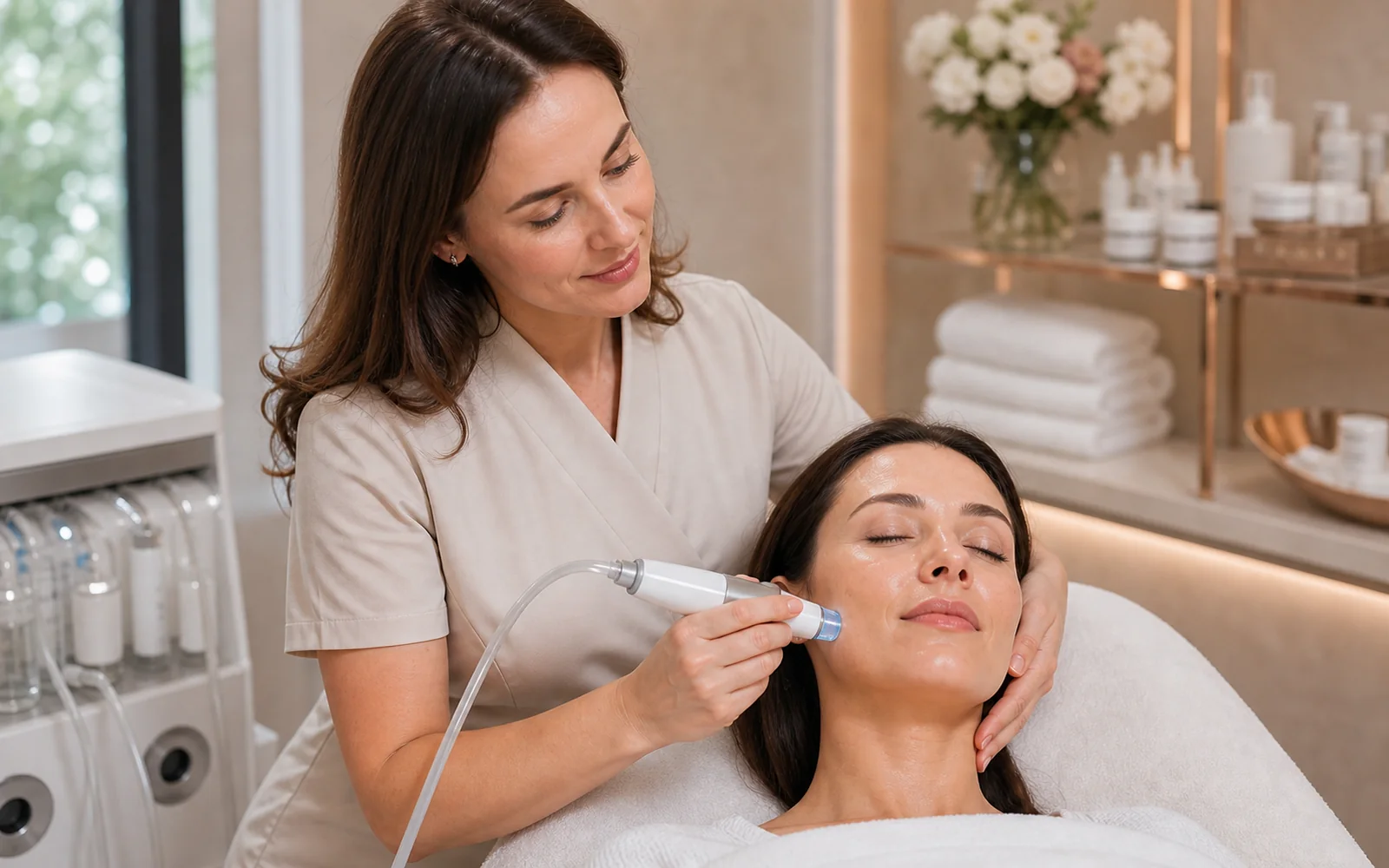
Choose a cleansing or hydrafacial-style service when the main concern is congestion, oily T-zone or a heavy surface feel. Choose a calming facial when shaving irritation, sensitivity or tightness is the priority. Choose massage-focused care when the face looks tired, tense or puffy after travel and work.
If the goal is pre-event freshness, keep the appointment predictable. Do not try the strongest treatment for the first time right before a photoshoot, wedding, presentation or important dinner. A gentle hydrating facial with light massage may create a more polished result than an aggressive service that leaves the skin red.
The Anywell standard is simple: diagnose first, treat second, send the client home with a routine he will actually use. That is how men's skincare becomes credible, premium and sustainable.

Professional checklist before booking this treatment
Match the service to the skin today
Before choosing this service, look at your skin as a specialist would: current comfort, recent product use, sensitivity, event timing, and the result you want to see in the mirror. For men's skincare facial treatment, the best appointment is not necessarily the strongest appointment. It is the appointment that matches the condition of the skin on the day you arrive.
Tell the specialist about recent retinoids, acids, peels, cosmetic procedures, sun exposure, allergies, pregnancy, medication, or any reaction that made the skin burn or sting. This information changes pressure, exfoliation, device intensity, massage direction, product choice, and aftercare. A premium facial bar experience should feel personal because the skin history is part of the treatment.
After the appointment, protect the result with a simple routine. Avoid stacking strong actives immediately, keep the skin moisturized, use daytime protection, and notice how the face feels the next morning. The most useful beauty advice is rarely dramatic. It is specific, repeatable, and adapted to real life.
Read the result like an expert
It is also helpful to decide what success looks like before the treatment starts. For some clients, success is a fresher complexion before an event. For others, it is less tightness, a softer jaw, calmer redness, cleaner pores, or a routine that finally feels understandable. When the goal is precise, the specialist can choose a precise path and avoid turning every facial into the same generic protocol.
If your skin does not respond as expected, do not immediately add more products or book a stronger service. Review sleep, stress, cleansing habits, sun exposure, climate, and how often active ingredients are being used. A premium skincare plan evolves by observation. The face gives feedback, and a good facial bar uses that feedback to adjust the next appointment.
There are also moments when the best professional choice is to wait. Active infection, unexplained swelling, strong burning, open lesions, recent aggressive procedures, or a reaction that has not settled should change the plan. A beauty treatment should never compete with medical judgment. When in doubt, the safest luxury is restraint.
Build a long-term facial plan
For long-term authority, think of each visit as one chapter in a skin journal. The specialist notes what worked, what felt too strong, what created glow, and what should be repeated or avoided. This is how facial care becomes more intelligent over time: not through constant novelty, but through careful memory of the skin.
The final filter is lifestyle. A treatment that looks perfect on paper may be wrong before a flight, after poor sleep, during a stressful week, or just before heavy makeup. Premium skincare respects context. It asks not only what the skin needs, but what the client needs the skin to do during the next few days.
That is why the best recommendation is often a sequence rather than a single appointment. Start with the service that calms and clarifies, then build toward more active or sculpting work when the skin is ready. This patient order creates better visible results and a better relationship with the face.
For reader clarity, document the same logic in the article itself: what the treatment is for, who should be cautious, what result is realistic, and how the home routine protects the work. Readers trust a beauty brand more when it explains limits as clearly as benefits.
The same structure also supports the Anywell editorial standard. A strong journal article should answer the client's practical questions before they are asked: how the treatment feels, how long the visible result may last, what to avoid afterward, and when another service would be wiser. That level of usefulness is what separates premium editorial content from a simple service description.
For a facial bar, this clarity also improves the booking experience. The client arrives with better vocabulary, the specialist can refine the plan faster, and the treatment feels more intentional from the first consultation to the final aftercare recommendation. It turns education into confidence, and confidence into a calmer, more premium client journey.
Conclusion: the Anywell way
A men's skincare facial treatment works best when it connects grooming reality with skin health basics: shaving comfort, oil balance, hydration, massage and realistic aftercare. The goal is not to feminize the service or complicate the routine. The goal is to make the face feel clean, calm and ready for real life. Explore Anywell services or book a consultation when you want a facial plan that respects how you shave, work, travel and maintain your skin.
FAQ
Is a men's facial different from a regular facial?
The core skincare principles are similar, but a men's facial should consider shaving habits, beard line irritation, oil patterns, product preferences and grooming routines.
Can a facial help after shaving irritation?
A calming facial may support comfort and hydration after shaving-related irritation, but painful bumps, infection or persistent rash should be assessed by a qualified professional.
Should I shave before a facial?
If shaving usually irritates your skin, ask the studio. Some clients are more comfortable arriving with light stubble rather than shaving immediately before treatment.
What is the best facial for oily skin in men?
A cleansing or hydrafacial-style treatment can be useful when adapted by zone, with oil control through the T-zone and hydration where the skin feels tight.
Do men need moisturizer after shaving?
Many men benefit from a gentle moisturizer after shaving, especially when the skin feels tight, hot or dry. Choose a texture that suits your skin type.