
Hyperpigmentation facial treatment needs a more careful conversation than many beauty menus allow. A client may arrive with dark spots after acne, patchy melasma-prone discoloration, sun-related uneven tone, post-inflammatory marks, dullness, sensitivity, or all of these together. The face can look uneven, but the reasons behind that unevenness are not identical.
A premium facial bar should not promise to erase pigment, cure melasma or replace dermatology care. Pigment concerns often require time, sun protection, ingredient discipline and sometimes medical treatment. What a thoughtful facial can do is support the skin around the concern: cleaner routine habits, barrier comfort, hydration, gentle surface refinement when appropriate, sunscreen education and a calmer visible glow.
This Anywell guide explains how to plan a hyperpigmentation facial treatment conservatively. It is general skincare education, not medical advice. If a spot changes quickly, bleeds, crusts, itches severely, becomes painful, appears suddenly, or worries you, seek qualified medical advice before booking a cosmetic service.
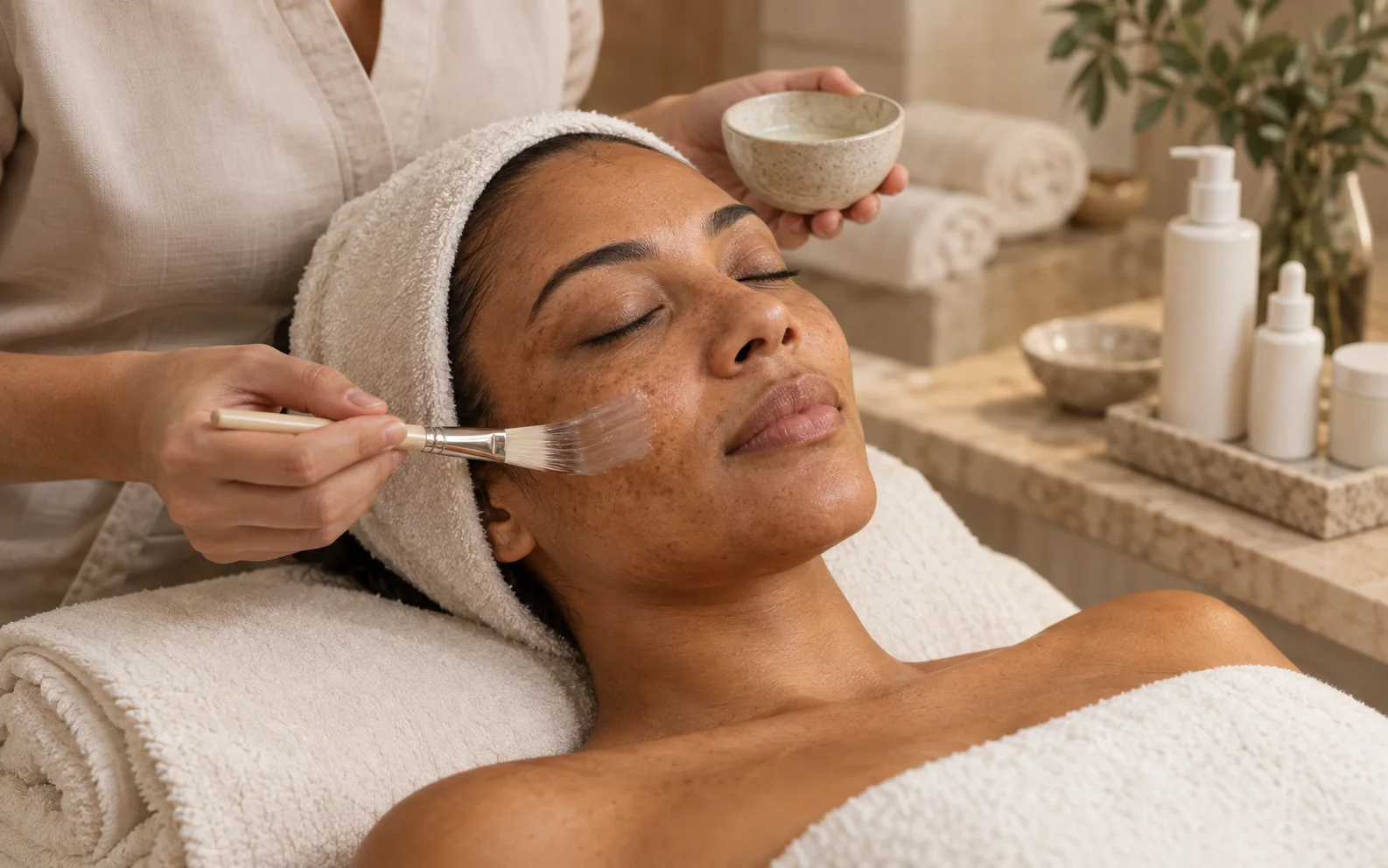
Hyperpigmentation is a visible pattern, not one single service goal
Cleveland Clinic describes hyperpigmentation as extra melanin creating spots or patches that may look brown, black, gray, red or pink. In a facial-bar consultation, that means the specialist should ask what happened before the color appeared. Was there acne, picking, waxing, a rash, sun exposure, heat, pregnancy, irritation, a fragrance reaction, a peel or a new active ingredient?
Post-inflammatory hyperpigmentation is different from melasma-prone patches, and both are different from freckles, lentigines or changing lesions that need medical evaluation. A beauty facial can help with cosmetic support, but it should not diagnose every pigment pattern from the treatment bed. The first luxury is accurate language.
Separate dark spots, melasma-prone patches and texture
Many clients use the phrase dark spots for everything they see. A flat mark after acne may be post-inflammatory hyperpigmentation. A symmetrical brownish patch across cheeks, forehead or upper lip may suggest melasma-prone behavior and deserves cautious language. A rough surface may be texture, dehydration or scarring rather than pigment alone.
The American Academy of Dermatology explains that melasma treatment plans consider skin tone, depth and triggers. That is a strong reminder for a facial bar: the appointment should not sell one universal brightening facial to every uneven tone. It should map what is flat, what is textured, what is currently irritated and what might need dermatology support.
Sunscreen is part of the treatment, not a final detail
The most elegant hyperpigmentation plan can fail if daily sun protection is vague. AAD dark-spot guidance says effective treatment begins with sunscreen, and its melasma self-care page emphasizes broad-spectrum SPF 30 or higher, reapplication and visible-light protection with tinted sunscreen containing iron oxide for melasma-prone skin. For a facial bar, the practical lesson is that sunscreen must be discussed before stronger glow work.
That discussion should be usable. A client who hates heavy sunscreen needs texture guidance. A client with oily skin may need non-comedogenic options. A client with deeper skin tone may need a tint that blends. A client who sweats or swims needs reapplication expectations. Anywell cannot prescribe a product for every skin condition, but it can make sun protection feel less abstract.
Barrier comfort prevents pigment-focused care from backfiring
Irritation can make pigment concerns more stubborn-looking, especially when a client already has a history of post-inflammatory marks. The AAD melasma self-care guidance warns that products that burn or sting can irritate skin and may darken dark spots. This is exactly why a hyperpigmentation facial treatment should not be automatically aggressive.
Barrier comfort includes gentle cleansing, moderate towel pressure, enough slip during touch, fragrance awareness, cooling down rather than heating up, and simple aftercare. If the skin is burning, peeling, freshly waxed, sunburned, recently picked or reacting to a new product, the refined choice may be hydration and pause rather than peel and polish.
Brightening language must stay realistic
The FDA's cosmetics labeling claims guidance is a useful editorial boundary. Cosmetic claims should be truthful and not misleading, and products marketed to treat disease or affect the structure or function of the body can move into drug-claim territory. Anywell should describe visible cosmetic support, not medical correction.
Safer language sounds like this: may support a more even-looking glow, can help the skin feel hydrated, often improves the look of dull surface buildup, supports a calmer routine, or prepares the skin for consistent sunscreen and home care. Avoid erase, remove, cure, permanent, guaranteed, melasma treatment cure, pigment elimination and scar removal. Premium language is precise, not loud.
When gentle exfoliation can help
Gentle exfoliation may help some clients when uneven tone is accompanied by dull surface buildup. It can make the complexion look fresher and help makeup sit more smoothly. But exfoliation does not automatically fade pigment, and it can irritate skin when timing is wrong.
A careful consultation asks about retinoids, acids, prescription acne products, recent peels, sun exposure, waxing, laser, injectables, pregnancy, allergies and sensitivity. If the answer suggests recent stress, exfoliation should be reduced or skipped. The goal is not to make the face pink so the client feels something happened. The goal is to leave the skin more cooperative tomorrow.
Hydration can make uneven tone look calmer
Hydration does not bleach pigment, and it should not be described that way. Yet it can be very valuable. Dehydrated skin reflects light unevenly, exaggerates texture and makes makeup catch around marks. A hydrating mask, light serum and comfortable moisturizer can make pigment-prone skin look softer without provoking it.
This is especially important for clients who have been chasing dark spots with too many actives. Their bathroom shelf may contain exfoliating toner, vitamin C, retinoid, brightening serum, acne spot gel and a scrub. The facial can become the reset that says: use fewer variables, protect the barrier, and let sunscreen become non-negotiable.
Melasma-prone skin requires restraint
Melasma can be persistent and trigger-sensitive. Heat, sunlight, visible light, hormonal factors and irritation may matter for some clients. A cosmetic facial should not claim to treat the condition medically. It should reduce avoidable stressors: no unnecessary heat, no harsh rubbing, no dramatic peel promise, no scented stack if the client is reactive, and careful aftercare.
If the client is pregnant, breastfeeding, using prescription products or seeing a dermatologist, the safest facial plan should respect that context. A brightening menu item is not automatically appropriate. Sometimes the right service is consultation, hydration and sunscreen planning until medical guidance is clear.
Post-acne marks need patience and picking prevention
DermNet describes postinflammatory hyperpigmentation as pigment that follows inflammatory damage. For acne-prone clients, that means new inflammation can create new marks. A facial that over-extracts, squeezes tender lesions or encourages picking may make the original concern worse.
A better Anywell plan separates active acne from settled marks. If there are painful cysts, open lesions or spreading inflammation, refer or modify. If acne is controlled and marks are flat, the treatment can focus on gentle cleansing, selective extractions only where suitable, hydration, sunscreen education and a calm aftercare rhythm.
Case study: dark spots before a wedding guest weekend
A client books ten days before a wedding weekend. She has flat cheek marks from old breakouts and wants them gone before photos. She has also used an exfoliating acid every night for four nights because she feels rushed. The risky response would be to sell a stronger peel and promise brightness.
The better facial is conservative: review the active routine, cleanse gently, avoid extra irritation, use hydration and a calming mask, possibly add only the mildest surface polish if skin is stable, and finish with sunscreen guidance. The realistic goal is a fresher, smoother-looking base for makeup, not erased pigment in one appointment.
Case study: melasma-prone upper lip and heat sensitivity
Another client has an upper-lip patch that deepens after sunny days and hot yoga. She is frustrated because every brightening product seems to sting. The facial consultation should recognize that heat and irritation may be part of the pattern for her, while still avoiding diagnosis from a beauty setting.
An Anywell-style plan would skip steam, avoid aggressive rubbing, use low-friction cleansing, calming hydration and practical sunscreen discussion. If she has not seen a dermatologist and the patch is persistent or changing, the next step is medical guidance. The facial supports comfort; it does not certify a melasma cure.
Aftercare for the next forty-eight hours
After a pigmentation-focused facial, keep the routine quiet. Gentle cleanser, moisturizer, daytime protection, shade habits and no sudden new brightening stack. Avoid scrubs, strong acids, retinoid escalation, hot water, sauna, tanning beds, heavy heat exposure and picking unless your specialist or clinician has advised otherwise.
Watch the skin the next morning. Does the cleanser sting? Are the cheeks hot? Does makeup sit more evenly? Are marks unchanged but the skin more comfortable? That last result can still be a good first step. Pigment changes slowly, while irritation can happen quickly.
What to ask before booking
Ask whether the service is designed for dark spots, melasma-prone skin, post-acne marks, dullness or texture. Ask what will be skipped if your skin is reactive. Ask how recent acids, retinoids, sun exposure, waxing, injectables, pregnancy, allergies or prescription products change the plan. A premium facial bar should welcome these questions.
Also ask what result is realistic after one visit. The honest answer may be more glow, better comfort, smoother makeup base, clearer routine and a sunscreen plan. That is still valuable. It is simply not the same as medical pigment removal.
Build a morning and evening routine around consistency
A useful morning routine starts with products the skin already tolerates: gentle cleansing if needed, moisturizer and a suitable broad-spectrum sunscreen. Make application practical before introducing another brightening product. Consider how the sunscreen feels over cream, whether the tint blends comfortably and how you will follow its reapplication instructions during the day. A hat and shade can complement this routine.
In the evening, remove makeup and sunscreen with minimal rubbing, then moisturize. Prescribed pigment or acne treatments should follow the clinician’s instructions. Tell the facial specialist what you are using, but do not stop or increase a prescription simply to fit a salon appointment. If your plan is unclear, ask the prescriber to explain which cosmetic steps are compatible and which should wait.
For someone who has bought several products in a rush, a written routine can be a useful first improvement. List the familiar cleanser, moisturizer, sunscreen and existing prescribed steps. Note what changed before stinging began. Introducing fewer new variables makes later feedback easier to interpret, without pretending that a short product list alone treats a pigment condition.
Review progress without chasing a dramatic photograph
Lighting, camera exposure, makeup and fresh moisturizer can all change how uneven tone appears in a picture. A brighter photograph immediately after a facial is not evidence that pigment has been removed. If you track appearance at home, try to use similar lighting and conditions, and discuss persistent or changing concerns with a qualified clinician rather than diagnosing them from a phone image.
For the cosmetic service, review comfortable cleansing, skin feel, makeup application and whether aftercare was manageable. A client may have unchanged flat marks but feel less tight and more confident about sunscreen. That can be an appropriate first outcome. It does not justify escalating to a stronger peel when the skin is not ready, nor does it replace the separate discussion of medical pigment treatment.
Choose a service by the skin’s current tolerance
Hydration may be the better starting point when the face is tight, dull or overworked. Gentle surface refinement may be considered when the skin is stable and the concern includes roughness. If the main concern is a new or changing patch, obtain medical assessment before trying to polish or brighten it cosmetically. The same treatment name can cover very different steps, so ask what the appointment actually includes.
The Anywell guides to post-acne marks and texture, consultation before a facial and barrier comfort can help you prepare questions. Bring those questions to a consultation and use the service menu as a starting point. The most useful decision connects a realistic cosmetic goal with a treatment the skin can comfortably receive.
Before leaving, ask for a short written account of the steps used and the aftercare agreed. Include the timing of your next event or trip. Keeping that information with your product list makes the next consultation easier and helps you describe any unexpected reaction accurately, without guessing which part of a long routine changed.
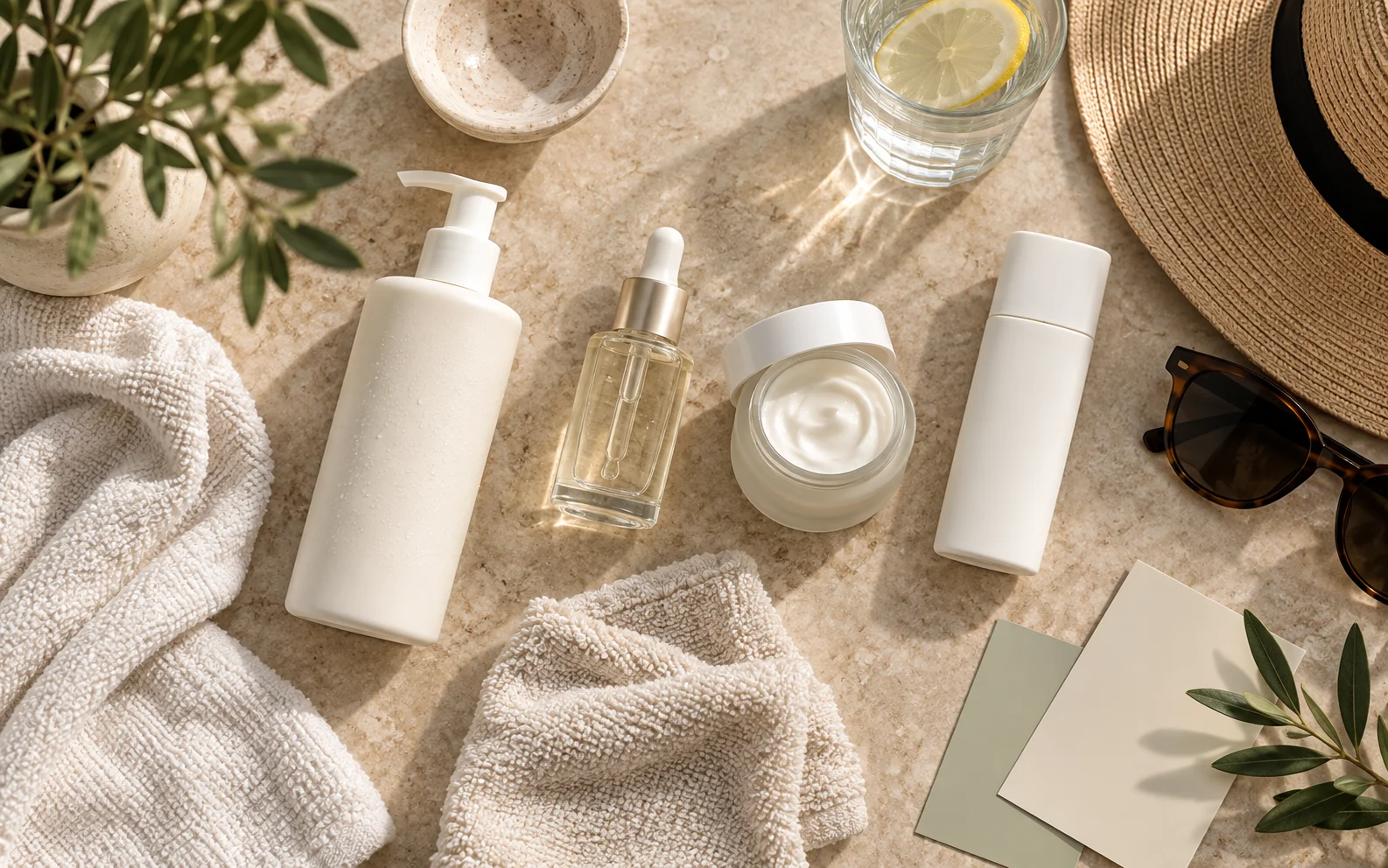

Conclusion: the Anywell way
Hyperpigmentation facial treatment is most trustworthy when it begins with a slower question: what kind of pigment concern is this, and what can the skin safely receive today? Anywell's role is to support a calmer, more even-looking glow through consultation, barrier comfort, hydration, careful timing and sunscreen discipline while keeping medical boundaries clear. Explore Anywell services or book a consultation if you want a pigmentation-aware plan that respects both visible goals and skin limits.
FAQ
What is a hyperpigmentation facial treatment?
It is a professional facial planned around uneven tone, dark spots, post-inflammatory marks or melasma-prone skin, with careful attention to sunscreen, barrier comfort, gentle exfoliation timing and realistic cosmetic goals.
Can a facial remove dark spots?
A cosmetic facial should not promise to remove dark spots. It may support a fresher, more even-looking appearance, but pigment changes often require time, sun protection and sometimes dermatologist-led care.
Is melasma safe to treat with a facial?
Melasma-prone skin can be sensitive to sun, heat and irritation. A gentle cosmetic facial may support comfort, but persistent or changing melasma should be discussed with a dermatologist.
Why is sunscreen important after a pigmentation facial?
UV and visible light can make some pigment concerns look worse. Daily broad-spectrum protection, and sometimes tinted sunscreen with iron oxides for melasma-prone skin, helps protect the visible result.
What should I avoid after a hyperpigmentation facial?
Avoid scrubs, strong acids, retinoid escalation, hot water, sauna, tanning beds, heavy heat exposure and picking for the short term unless your specialist or clinician gives different guidance.